No products in the cart.

In the ever-evolving digital world, Search Engine Optimization (SEO) strategies must constantly adapt to stay relevant and effective. Here are some of the latest SEO strategies to significantly boost your website traffic.
1. Optimize Content for Search Intent

Search intent, or the purpose behind a user’s query, is a key factor in Google’s algorithms. Ensure your content directly addresses user needs, whether informational, navigational, transactional, or commercial.
Tips:
- Use tools like Google Keyword Planner or Ahrefs to understand search intent.
- Create content that focuses on direct answers, listicles, or in-depth guides.
2. Leverage Artificial Intelligence (AI) for Keyword Research
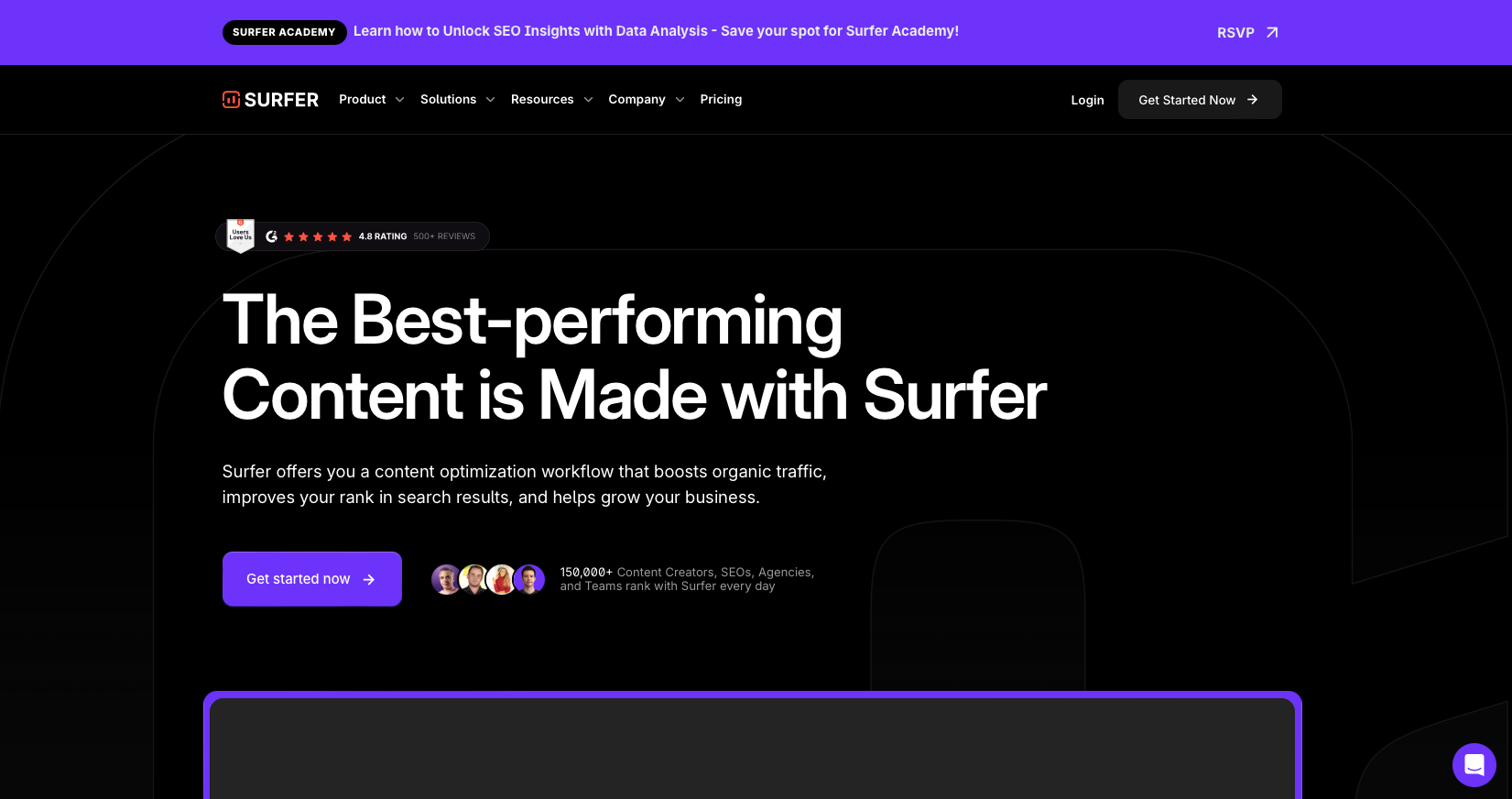
AI technologies like ChatGPT and other AI tools can help identify relevant keywords and uncover the latest trends.
Tips:
- Utilize platforms such as SurferSEO or Clearscope to optimize content with AI-driven data.
- Focus on long-tail keywords with low competition but high search volume.
3. Optimize Core Web Vitals
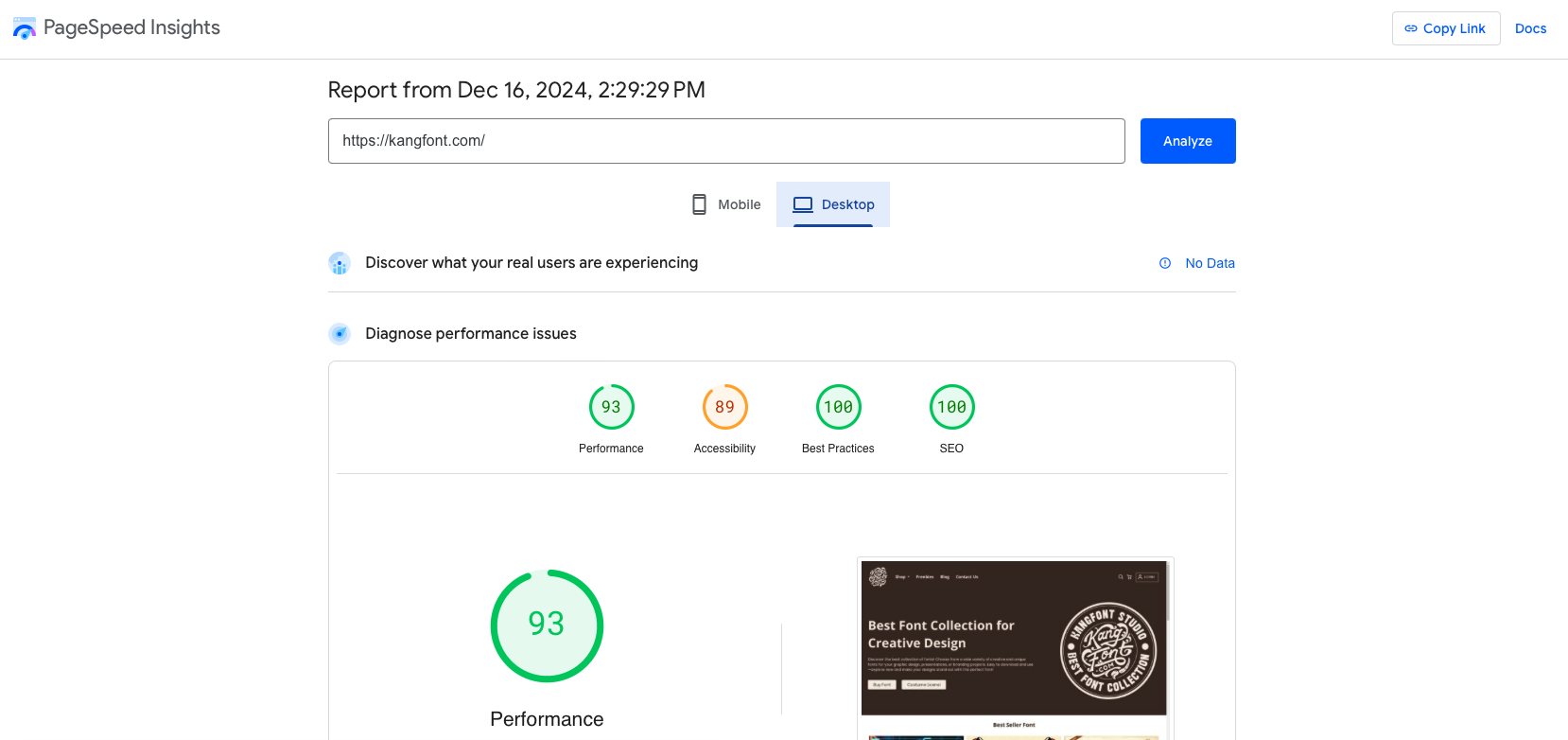
Google has prioritized Core Web Vitals as a ranking factor. Website speed, responsiveness, and visual stability greatly affect user experience.
Tips:
- Use PageSpeed Insights to analyze your website’s performance.
- Compress images and use a Content Delivery Network (CDN) to enhance loading speeds.
- Ensure your website is mobile-friendly.
4. Enhance Backlink Quality
Backlinks remain one of the most important SEO factors. However, quality outweighs quantity.
Tips:
- Focus on guest posting on authoritative websites.
- Build relationships with industry influencers or experts to gain organic backlinks.
- Avoid spammy backlink practices that could harm your site’s reputation.
5. Incorporate Video and Visuals in Content
Video-based content is increasingly popular, and Google tends to rank content with engaging visual elements higher.
Tips:
- Create short videos to support your main content.
- Use platforms like YouTube to increase exposure.
- Optimize images and videos with relevant ALT attributes.
6. Optimize for Voice Search
With the rising use of virtual assistants like Siri, Alexa, and Google Assistant, voice search optimization is becoming crucial.
Tips:
- Use natural, conversational phrases.
- Focus on question-based keywords like “what,” “who,” “when,” “where,” and “how.”
- Optimize local content since voice searches often target local queries.
7. Leverage Structured Data Markup
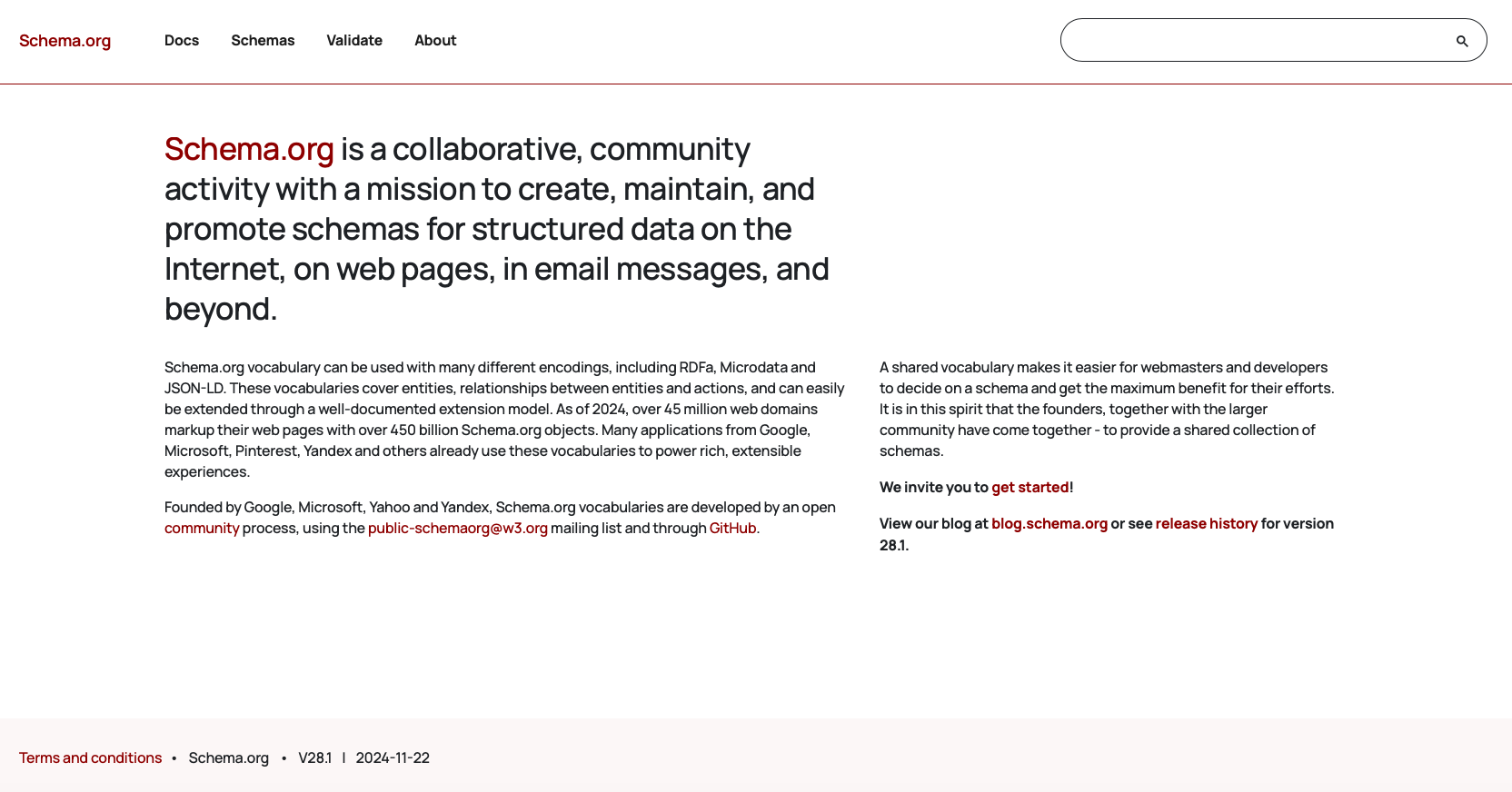
Structured data helps search engines better understand your website’s content and increases the chances of appearing in featured snippets.
Tips:
- Use schema markup for products, articles, reviews, and FAQs.
- Validate your structured data using Google’s Structured Data Testing Tool.
8. Enhance User Interaction
Google considers how users interact with your website. Low bounce rates and high visit durations send positive signals.
Tips:
- Add interactive elements like quizzes, calculators, or surveys.
- Ensure easy website navigation.
- Create compelling calls-to-action (CTAs).
9. Regular Analysis and Adjustments
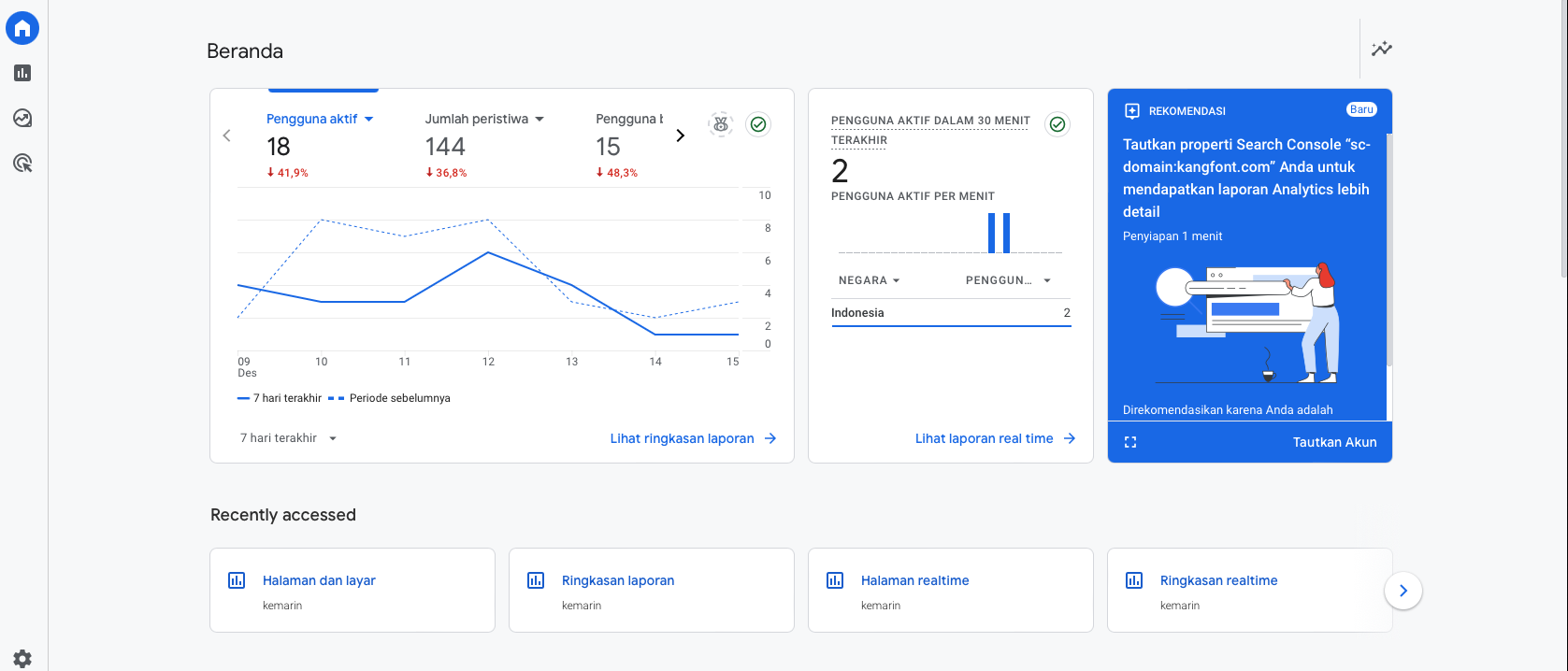
SEO is not a one-time task. Continuous monitoring and strategy adjustments based on the latest data are crucial.
Tips:
- Use Google Analytics and Google Search Console to track performance.
- Update old content with fresh, relevant information.
- Conduct regular SEO audits.
Conclusion
By implementing the latest SEO strategies, you can significantly increase your website traffic and remain competitive in the dynamic digital marketplace. Stay updated with Google’s algorithm changes and adapt to user needs for optimal results.