No products in the cart.
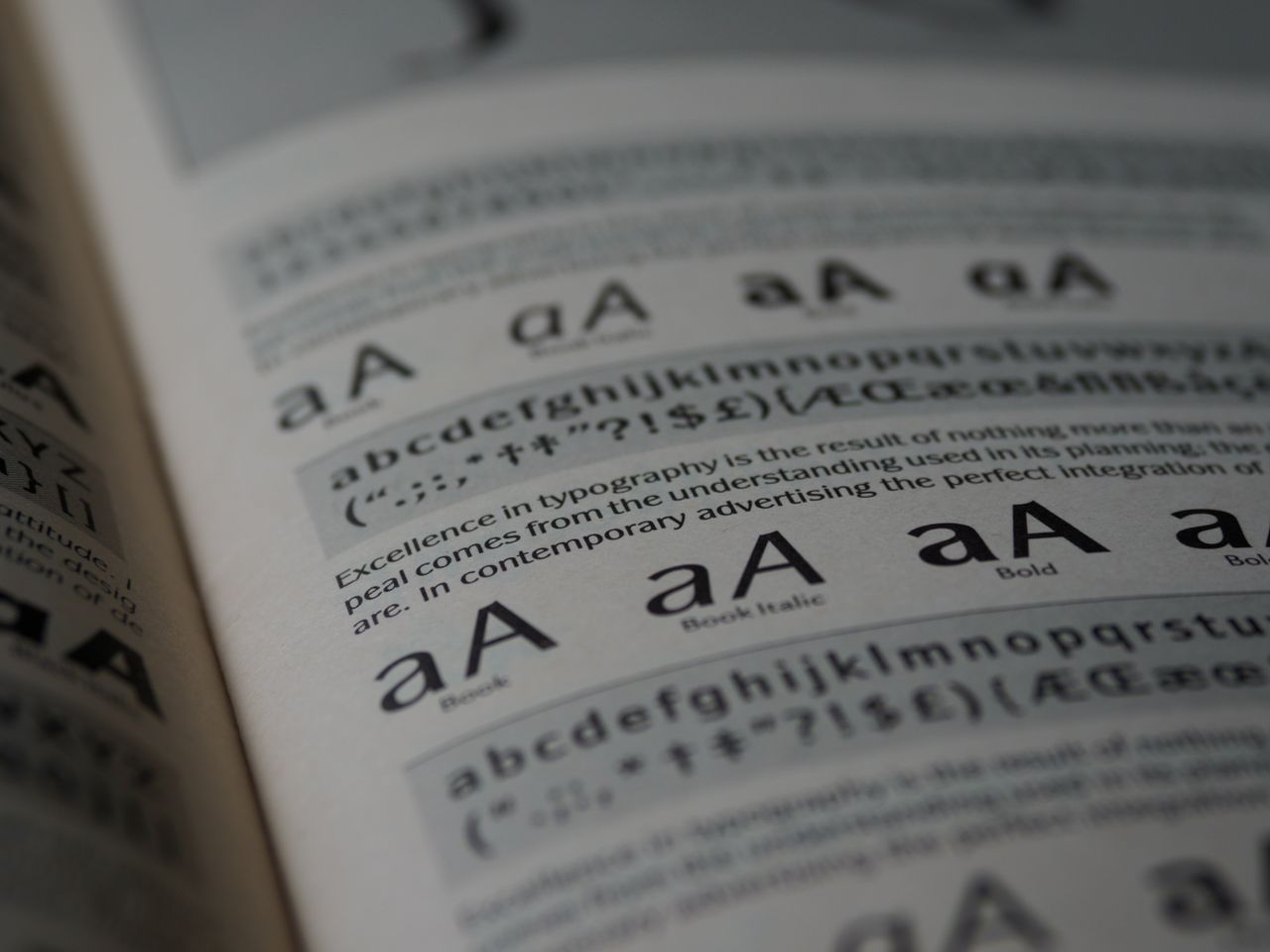
Most creative agencies don’t think about font licensing until it becomes a problem -” a client asks for proof of rights, a new hire flags an inconsistency, or a rebrand reveals that half the team has been using different, unlicensed versions of the “same” font. This case study looks at how one agency turned that exact situation into a stronger, more consistent brand.
The Starting Point: A Brand Built on Borrowed Time
The agency, a mid-sized studio working across branding and digital campaigns, had grown quickly over three years. Their visual identity relied on a distinctive sans-serif typeface that had originally been licensed under a single-seat desktop license, purchased years earlier by one designer for one project.
As the team grew, that single license quietly became the default font across:
- The agency’s own brand identity and website
- Client pitch decks and proposal templates
- Internal templates shared across a growing design team
- Occasional client deliverables where the studio’s brand font carried over into client work
None of this was intentional misuse. It was simply what happens when a font becomes part of daily workflow without anyone revisiting the original license terms.
The Trigger: A Client Compliance Request
The turning point came when a new enterprise client’s legal team requested documentation proving that all fonts used in deliverables were properly licensed for commercial, multi-user, and client-facing use. The agency’s design lead couldn’t produce that documentation -” because the license they had didn’t actually cover it.
This wasn’t a case of a foundry issuing a takedown notice. It was something more common and, in some ways, more disruptive: a growth-stage business realizing its own compliance gap before anyone else pointed it out.
The Solution: Moving to a Corporate / Extended License
Rather than restrict font usage back down to a single seat, the agency worked with a licensing team to move to a corporate license that covered:
- Unlimited internal designers using the font across projects
- Use in both the agency’s own brand and client deliverables
- Coverage across web, print, and presentation formats
- Documentation the agency could hand directly to enterprise clients on request
The extended license also included broader distribution rights, which mattered for a studio that regularly produced large print runs and multi-platform campaign assets for clients.
The Result
After switching to a corporate license, the agency reported three concrete changes:
- Faster client onboarding -” new enterprise clients no longer needed a separate legal review cycle just for font compliance
- Design consistency across the team -” every designer worked from the same licensed font files, eliminating small inconsistencies between team members’ local copies
- Reduced risk exposure -” the agency no longer had unlicensed font usage buried inside years of accumulated templates and client files
The design lead later noted that the licensing conversation, which the team had been putting off for years, ended up being far simpler and less costly than the compliance risk it replaced.
The Takeaway for Growing Studios and In-House Teams
Font licensing problems rarely show up all at once. They accumulate quietly as a team grows, as templates get reused, and as one designer’s original license becomes “the font everyone uses.” A corporate or extended license isn’t just a legal formality -” it’s what allows a growing creative team to scale its brand without dragging along years of undocumented risk.
If your team has grown past what your current font license was originally purchased for, now is the moment to fix it, not after a client asks first.
Ready to move to a corporate or extended license? Contact our licensing team now to review your current usage and get a license that actually matches how your agency works today.