No products in the cart.

In the ever-evolving digital world, Search Engine Optimization (SEO) strategies must constantly adapt to stay relevant and effective. Here are some of the latest SEO strategies to significantly boost your website traffic.
Search intent, or the purpose behind a user’s query, is a key factor in Google’s algorithms. Ensure your content directly addresses user needs, whether informational, navigational, transactional, or commercial.
AI technologies like ChatGPT and other AI tools can help identify relevant keywords and uncover the latest trends.
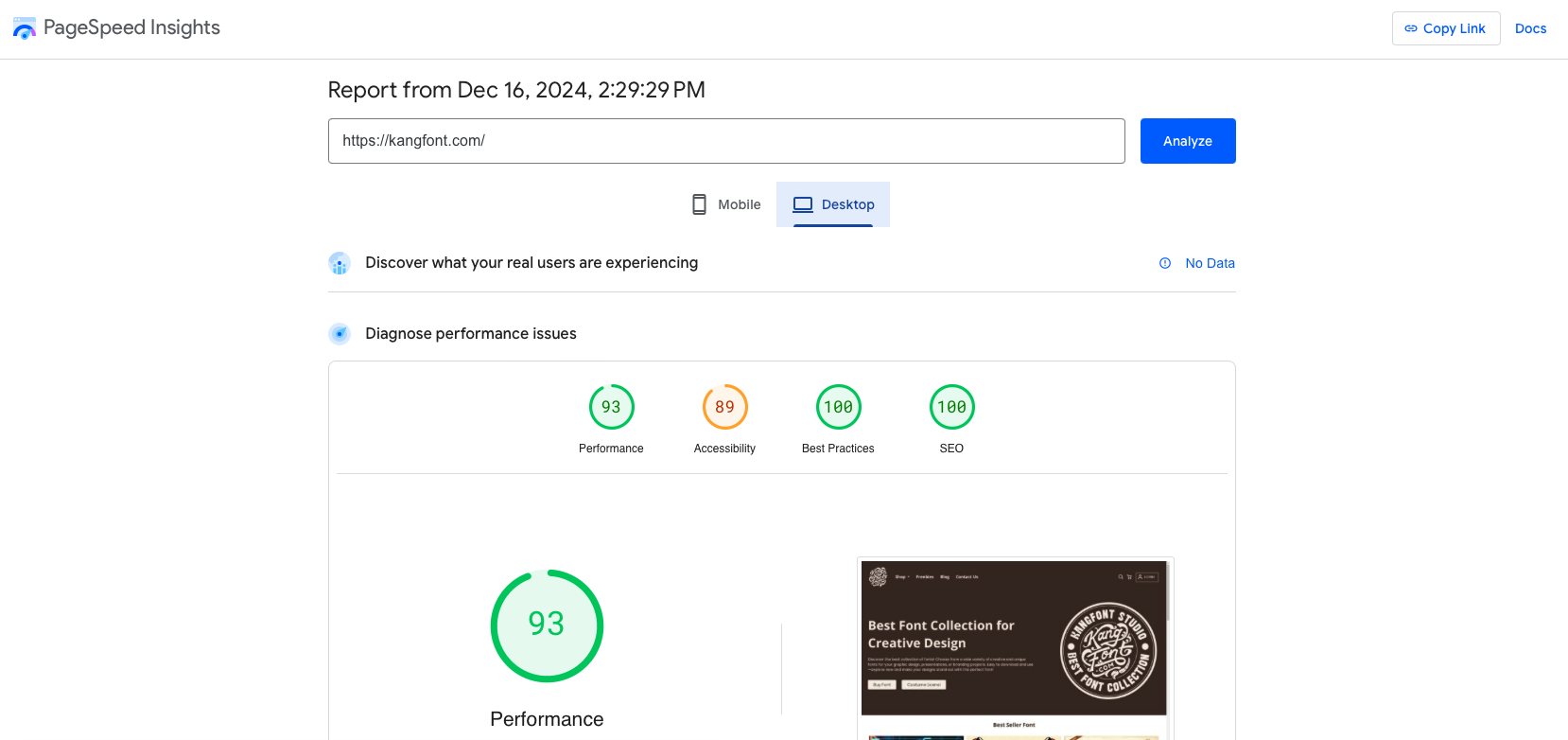
Google has prioritized Core Web Vitals as a ranking factor. Website speed, responsiveness, and visual stability greatly affect user experience.
Backlinks remain one of the most important SEO factors. However, quality outweighs quantity.
Video-based content is increasingly popular, and Google tends to rank content with engaging visual elements higher.
With the rising use of virtual assistants like Siri, Alexa, and Google Assistant, voice search optimization is becoming crucial.
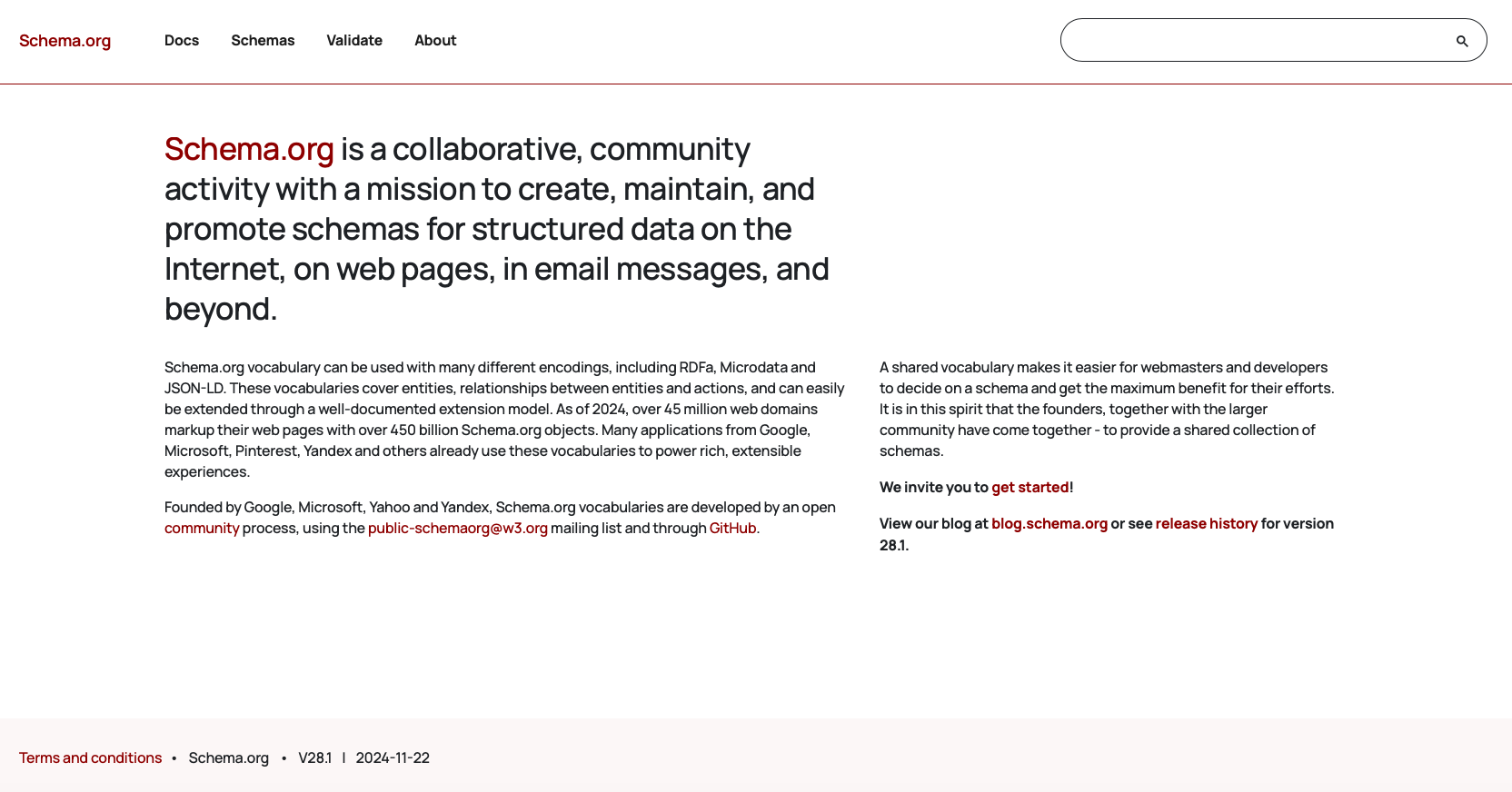
Structured data helps search engines better understand your website’s content and increases the chances of appearing in featured snippets.
Google considers how users interact with your website. Low bounce rates and high visit durations send positive signals.
SEO is not a one-time task. Continuous monitoring and strategy adjustments based on the latest data are crucial.
By implementing the latest SEO strategies, you can significantly increase your website traffic and remain competitive in the dynamic digital marketplace. Stay updated with Google’s algorithm changes and adapt to user needs for optimal results.
The development of Artificial Intelligence (AI) technology has brought significant changes to various aspects of daily life. AI is no longer merely a futuristic concept but has become an integral part of everyday activities, from healthcare services to the use of smart devices at home. This article will explore how AI technology has evolved and its positive impact on our lives.


While offering numerous benefits, AI also presents challenges such as data privacy, ethical concerns, and threats to employment. Therefore, clear regulations and oversight are necessary for its development.
In the future, AI is expected to be increasingly integrated into daily life, from education to smart city management. With proper utilization, AI can be an immensely beneficial tool to improve human quality of life.
References and Related Sources:
With a deeper understanding of AI technology, we can maximize its potential for daily life. Let us embrace this development and use AI for the greater good.
Design contests are a great way for graphic designers to showcase their creativity and compete for exciting projects. Here are 10 platforms dedicated to design contests:
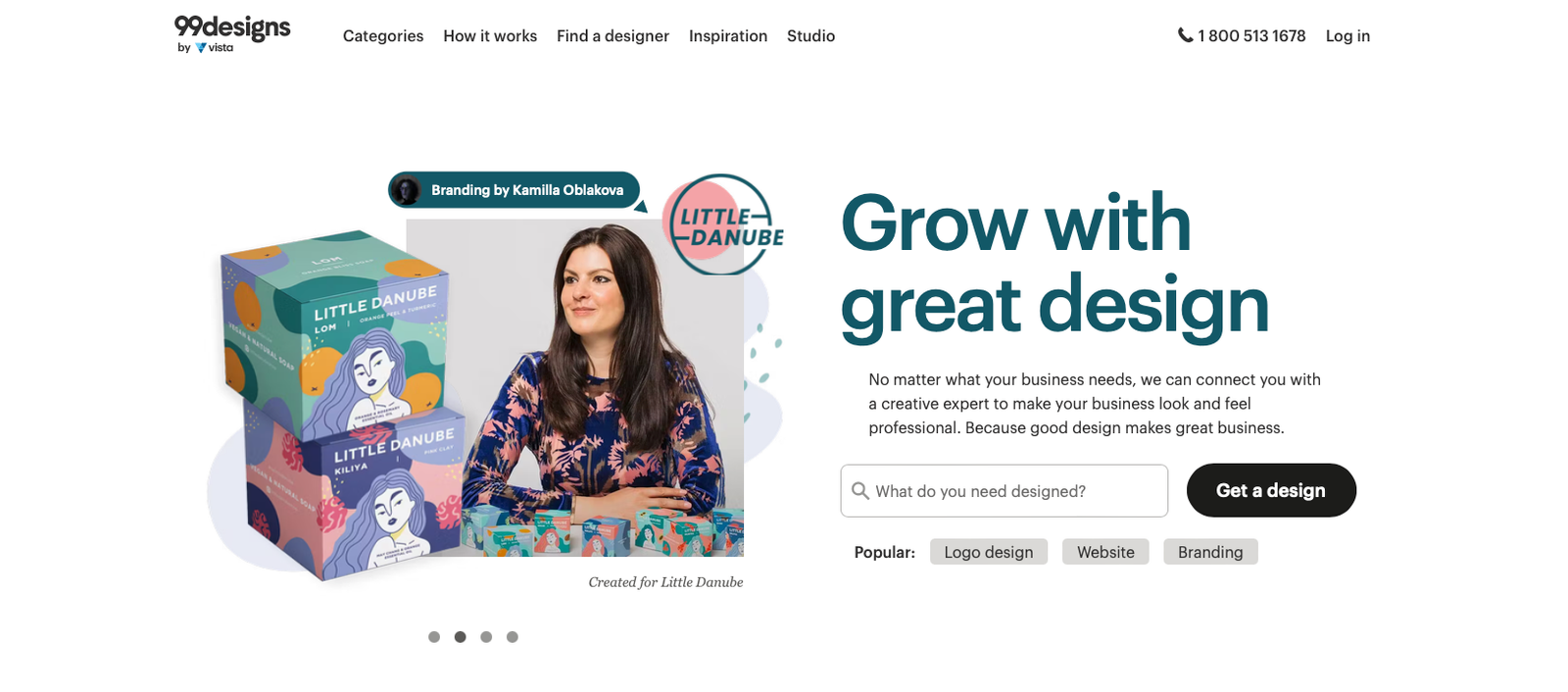
99designs offers a variety of design contests where designers can submit their work and win clients’ approval.
Advantages:
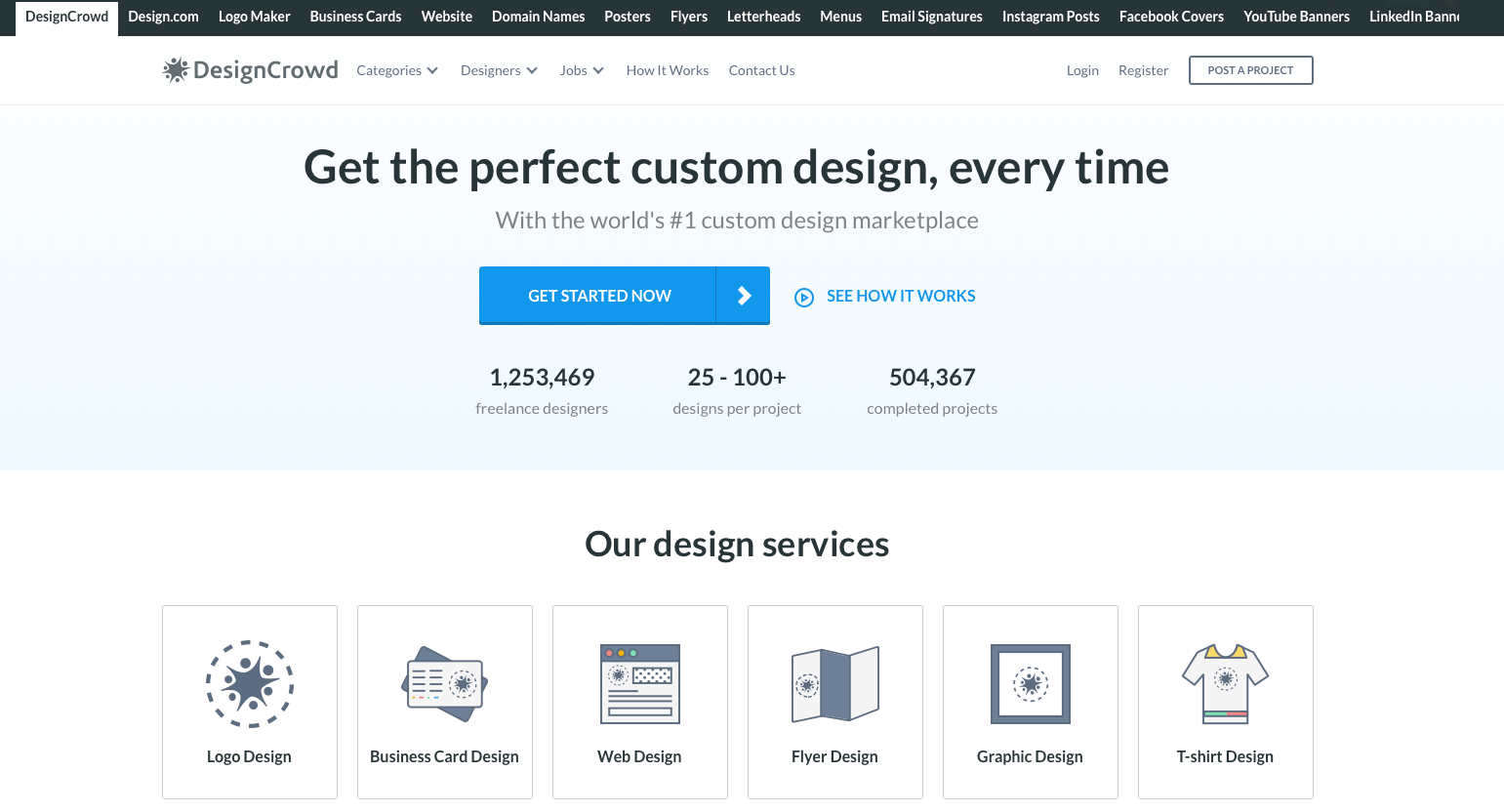
DesignCrowd is another platform for design contests, allowing designers to participate in projects and win monetary rewards.
Advantages:
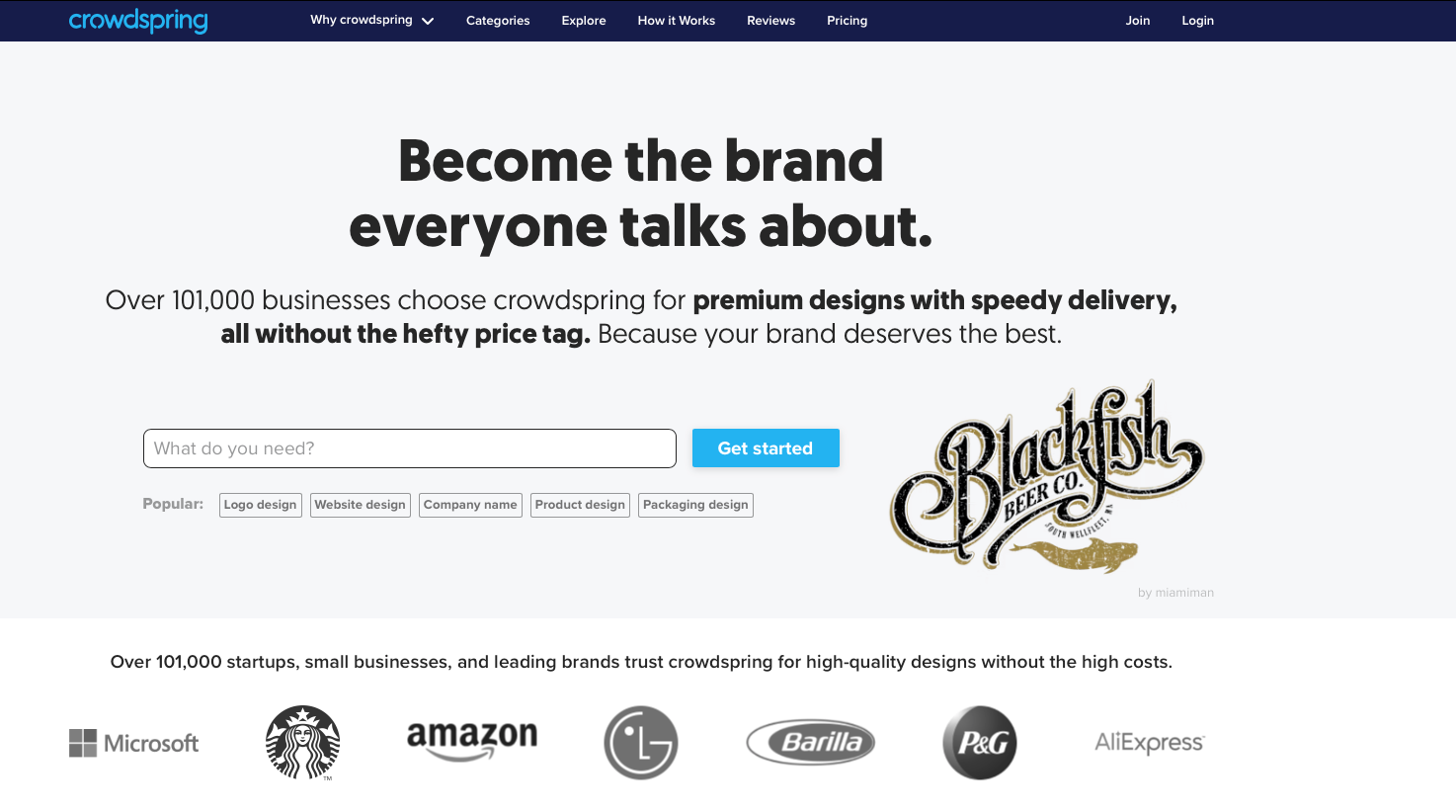
Crowdspring focuses on design contests for various fields, including branding and web design.
Advantages:
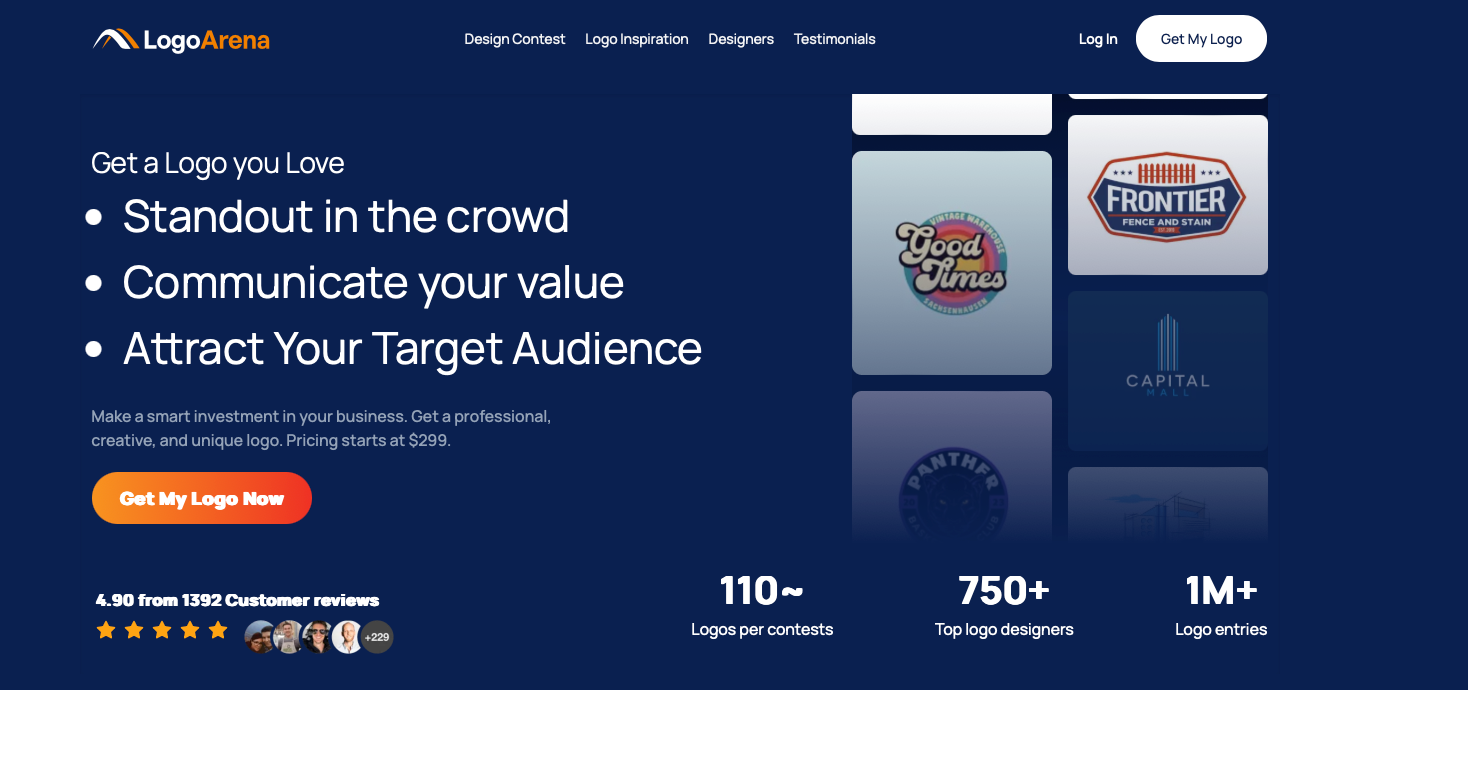
LogoArena specializes in logo design contests, providing opportunities for designers to showcase their branding skills.
Advantages:
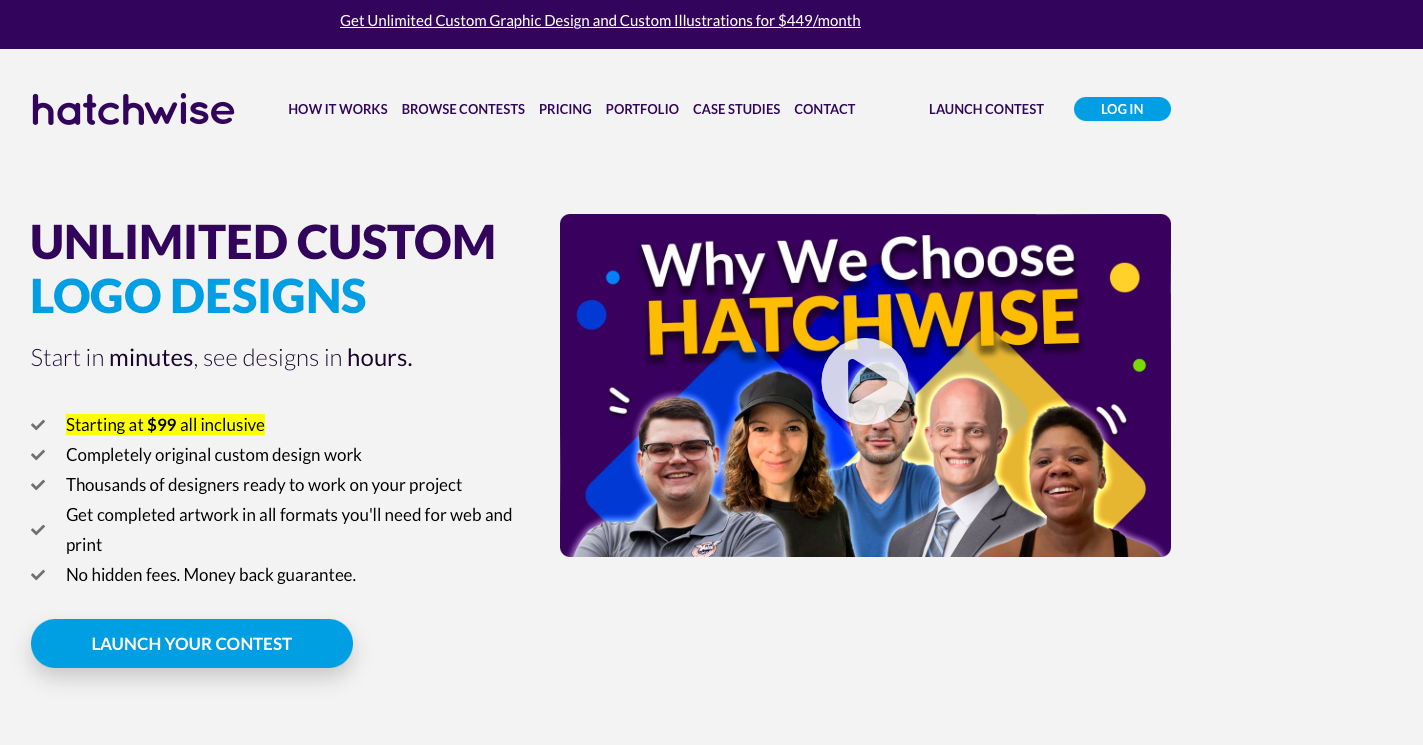
Hatchwise hosts contests for logos, naming, and branding projects, giving designers creative flexibility.
Advantages:
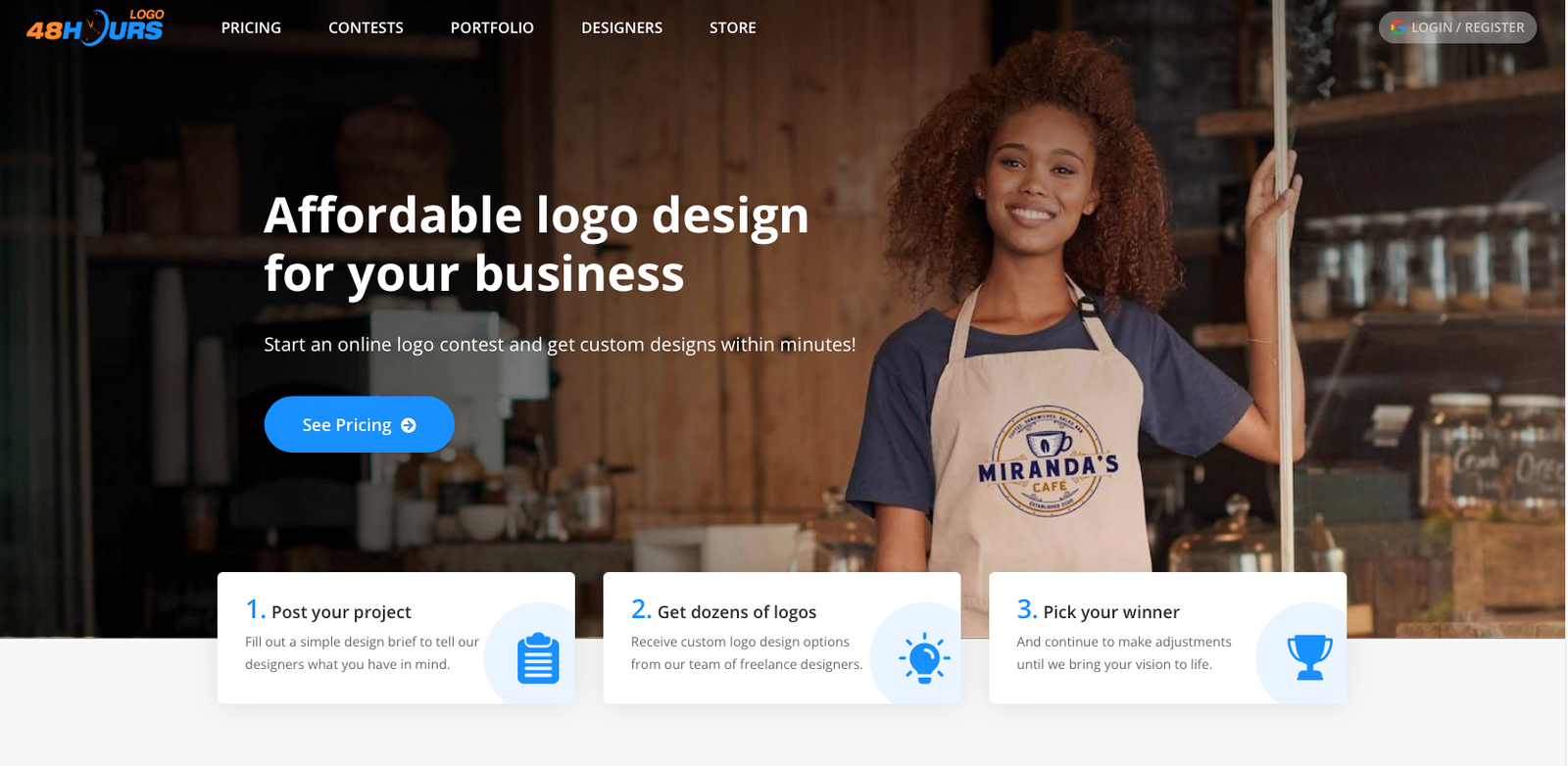
48HoursLogo is a platform dedicated to quick logo design contests with tight deadlines.
Advantages:
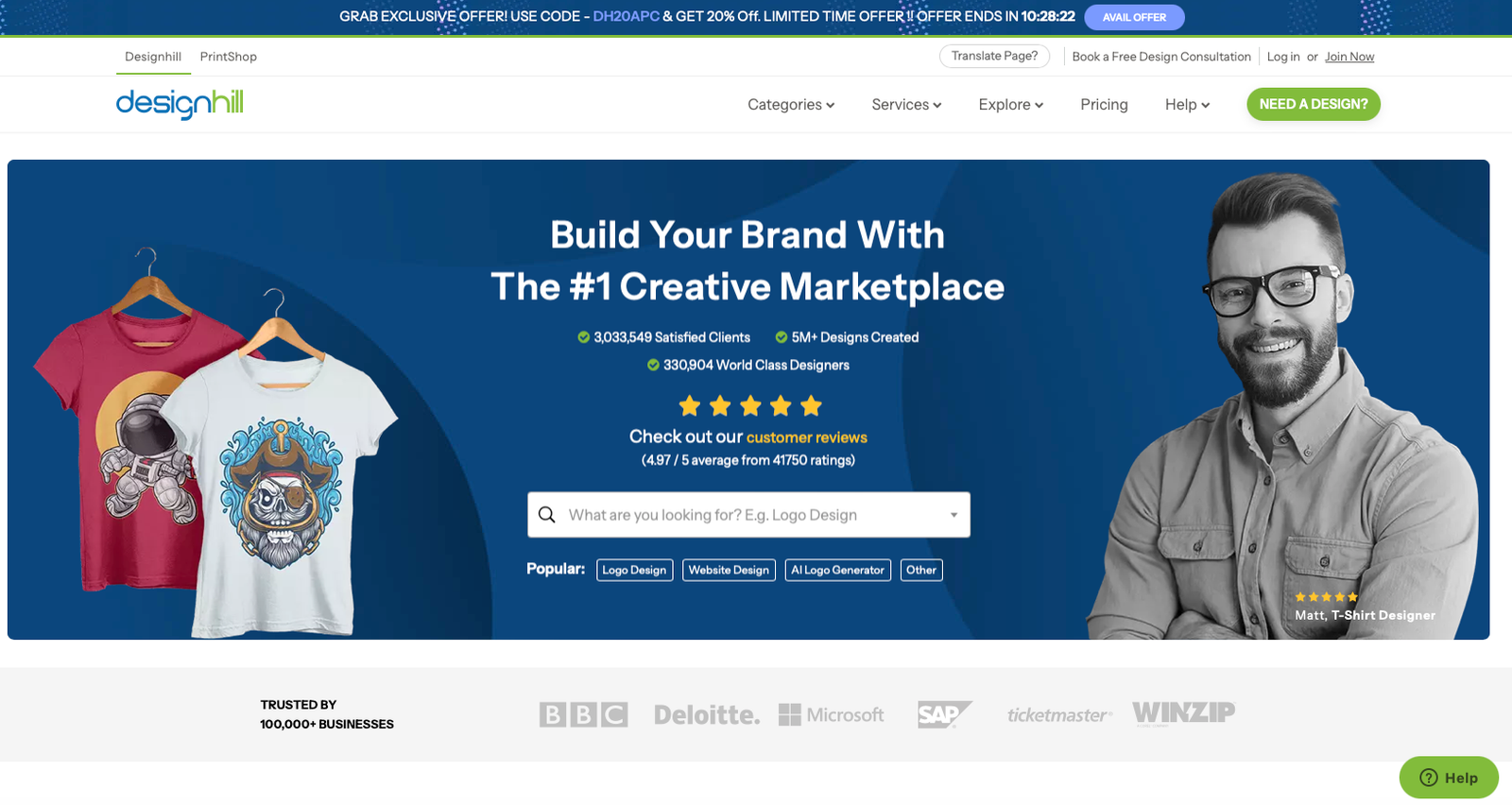
DesignHill offers design contests across various categories, including web, logo, and print design.
Advantages:
ZillionDesigns provides contests in areas such as logos, brochures, and business cards.
Advantages:
DesignContest allows designers to join contests for logos, websites, and other design projects.
Advantages:
These platforms provide fantastic opportunities to participate in design contests, build your portfolio, and connect with clients worldwide. Choose the platform that suits your style and start competing!
For graphic designers, freelancing offers flexibility and creative freedom. However, finding the right platform to start a freelance career can be challenging. Here is a list of the top 10 websites that can help graphic designers find exciting projects and potential clients.
Upwork is a popular platform for freelancers from various fields, including graphic design. With a system that facilitates communication with clients, Upwork offers numerous project opportunities, ranging from logo design to corporate branding.
Advantages:
Dedicated to designers, 99designs connects freelancers with clients through design contests. You can compete to win the projects you want.
Advantages:
Freelancer is a global platform that offers various design projects. You can bid on projects or be selected directly by clients.
Advantages:
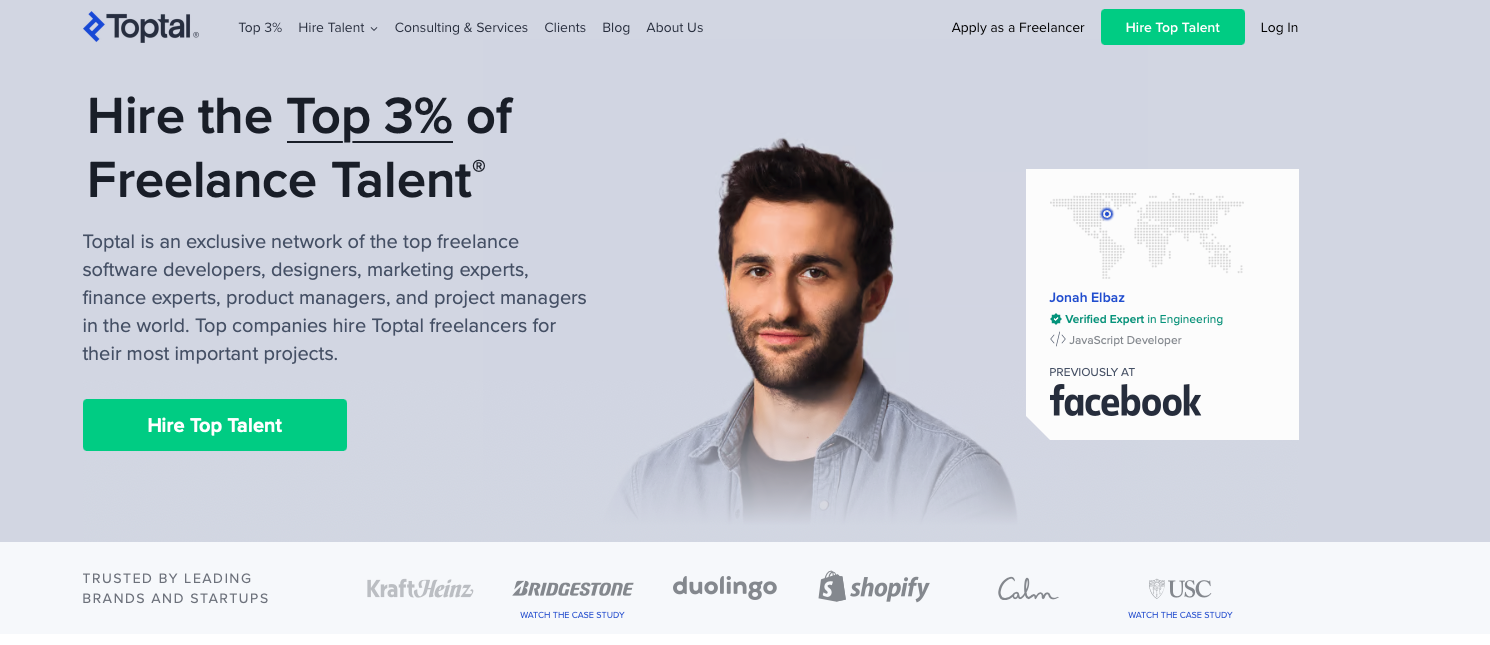
If you are an experienced graphic designer, Toptal is an ideal choice. This site only accepts the top 3% of freelancers, making its project opportunities more exclusive.
Advantages:
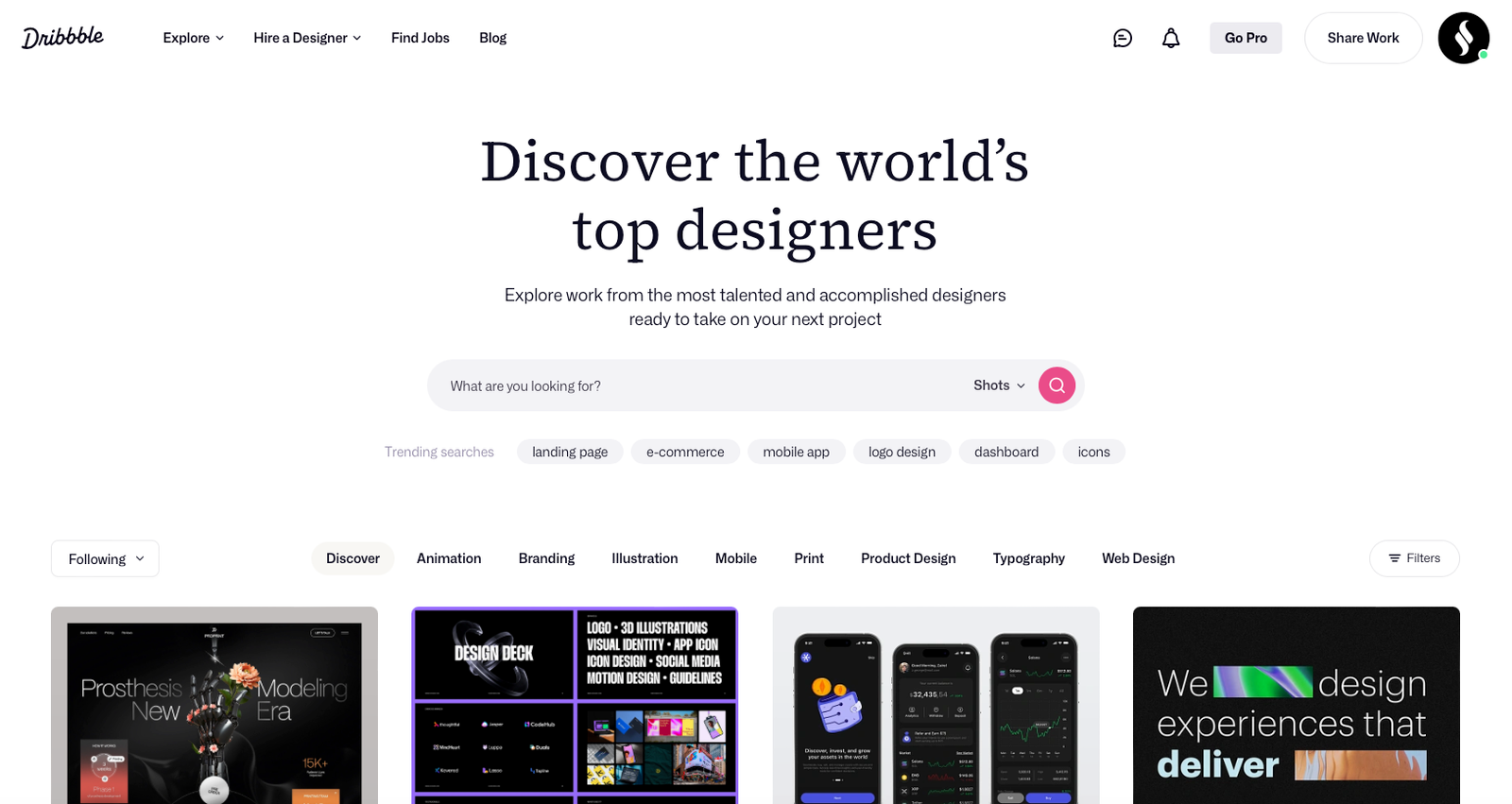
Dribbble is not only a place to showcase your work but also a freelance platform. Many clients look for talented designers here.
Advantages:
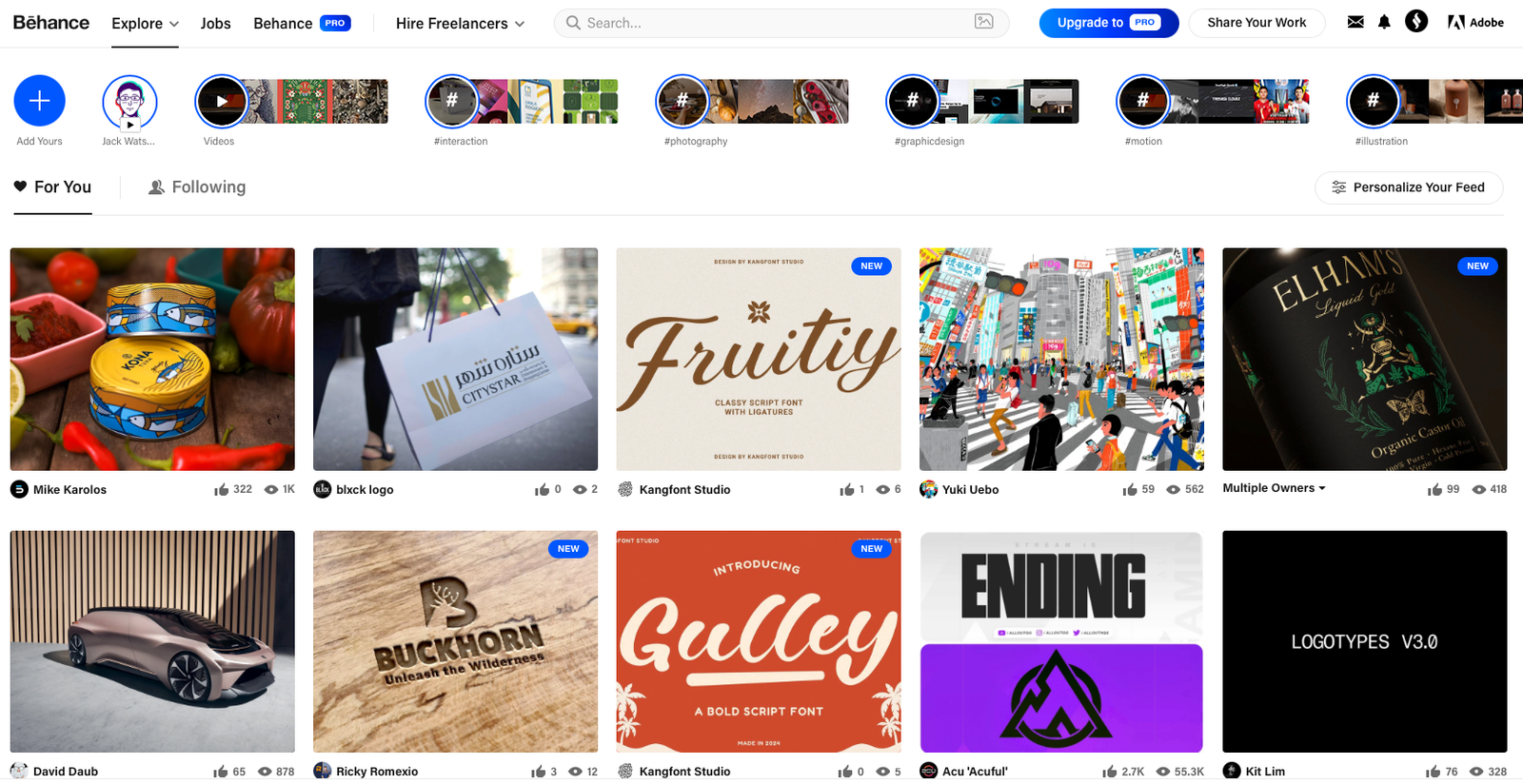
Behance is known as a platform for showcasing portfolios but is also a place to find freelance projects.
Advantages:
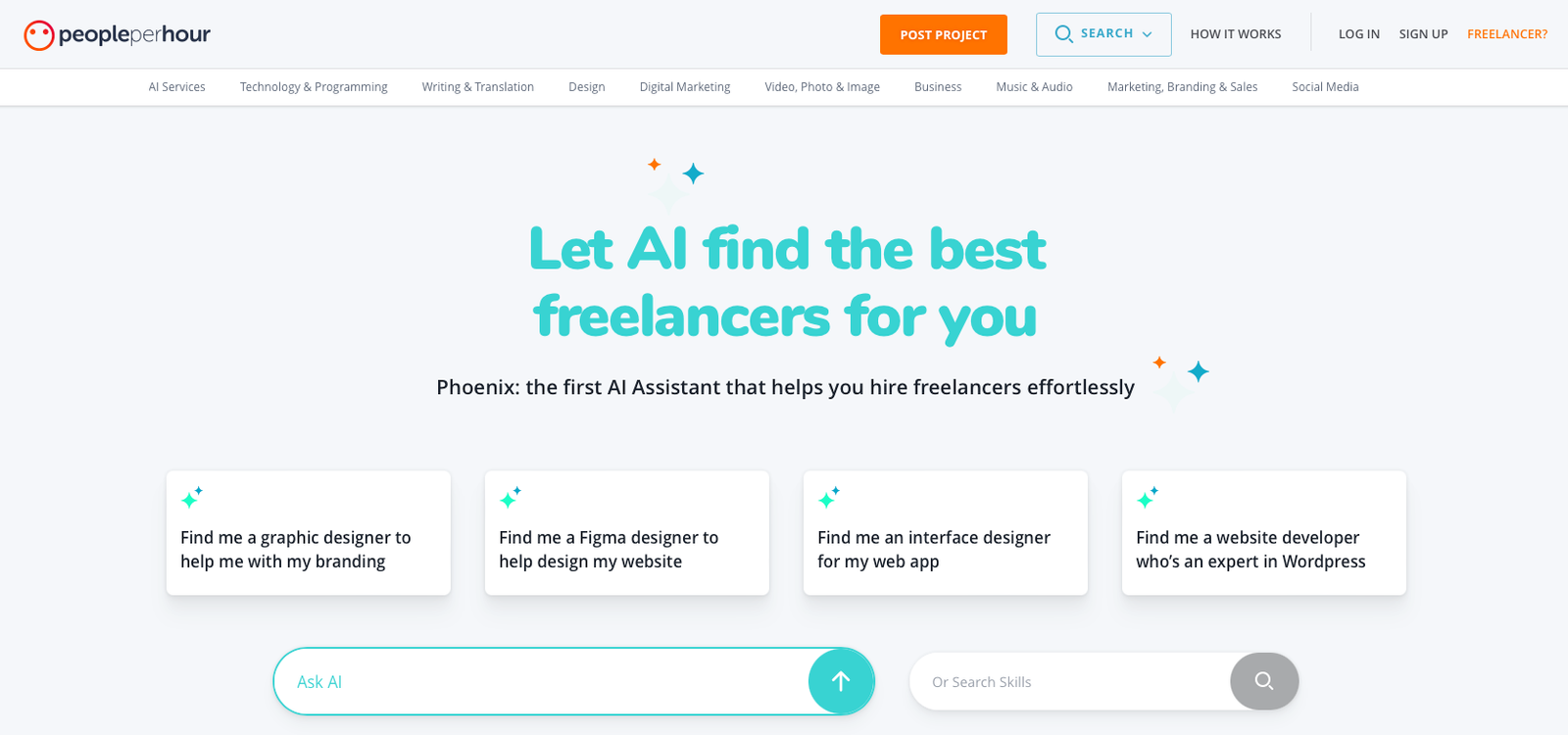
PeoplePerHour is suitable for graphic designers looking for projects tailored to their specific skills. PeoplePerHour has an automatic matching system between freelancers and clients.
Advantages:
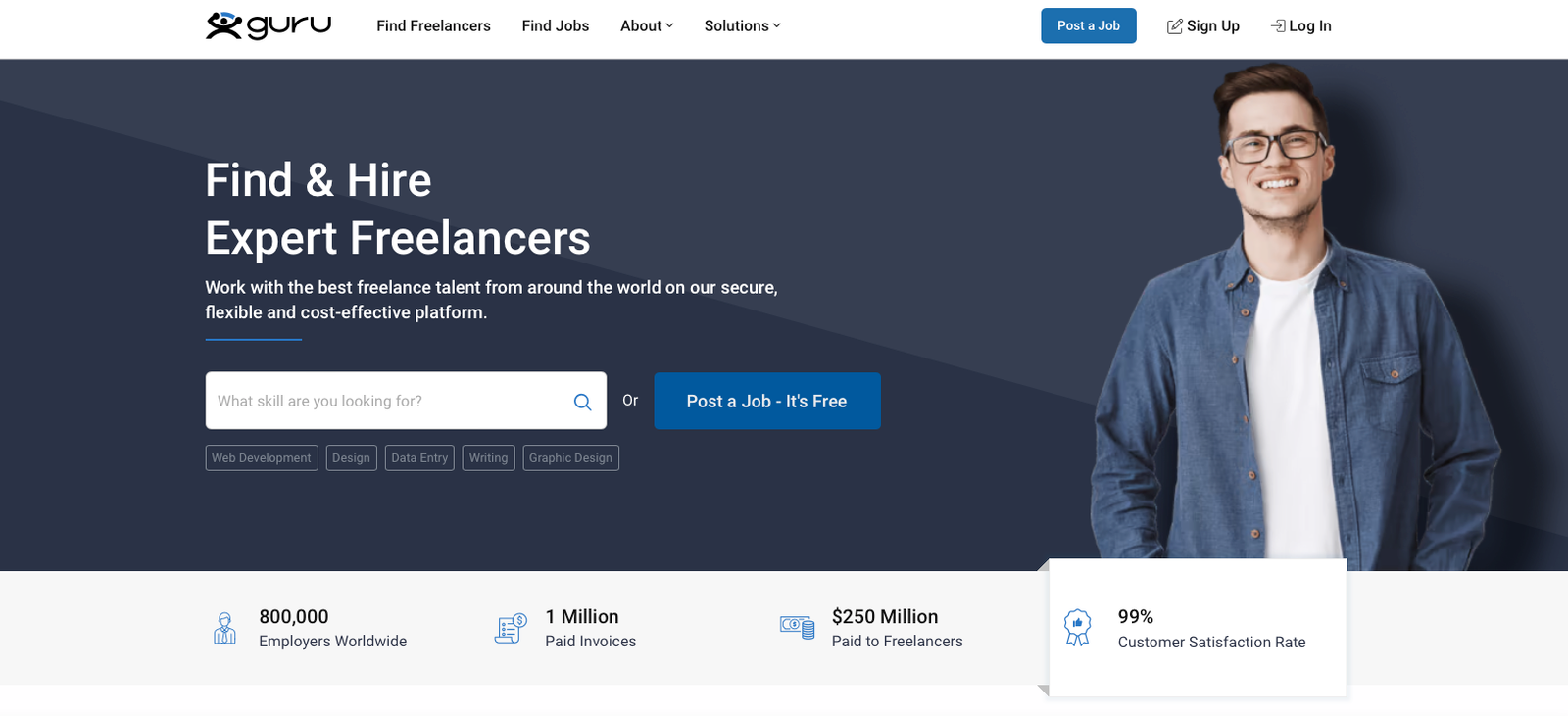
Guru is a freelance platform with various categories, including graphic design. The “Work Room” system makes project management easier.
Advantages:
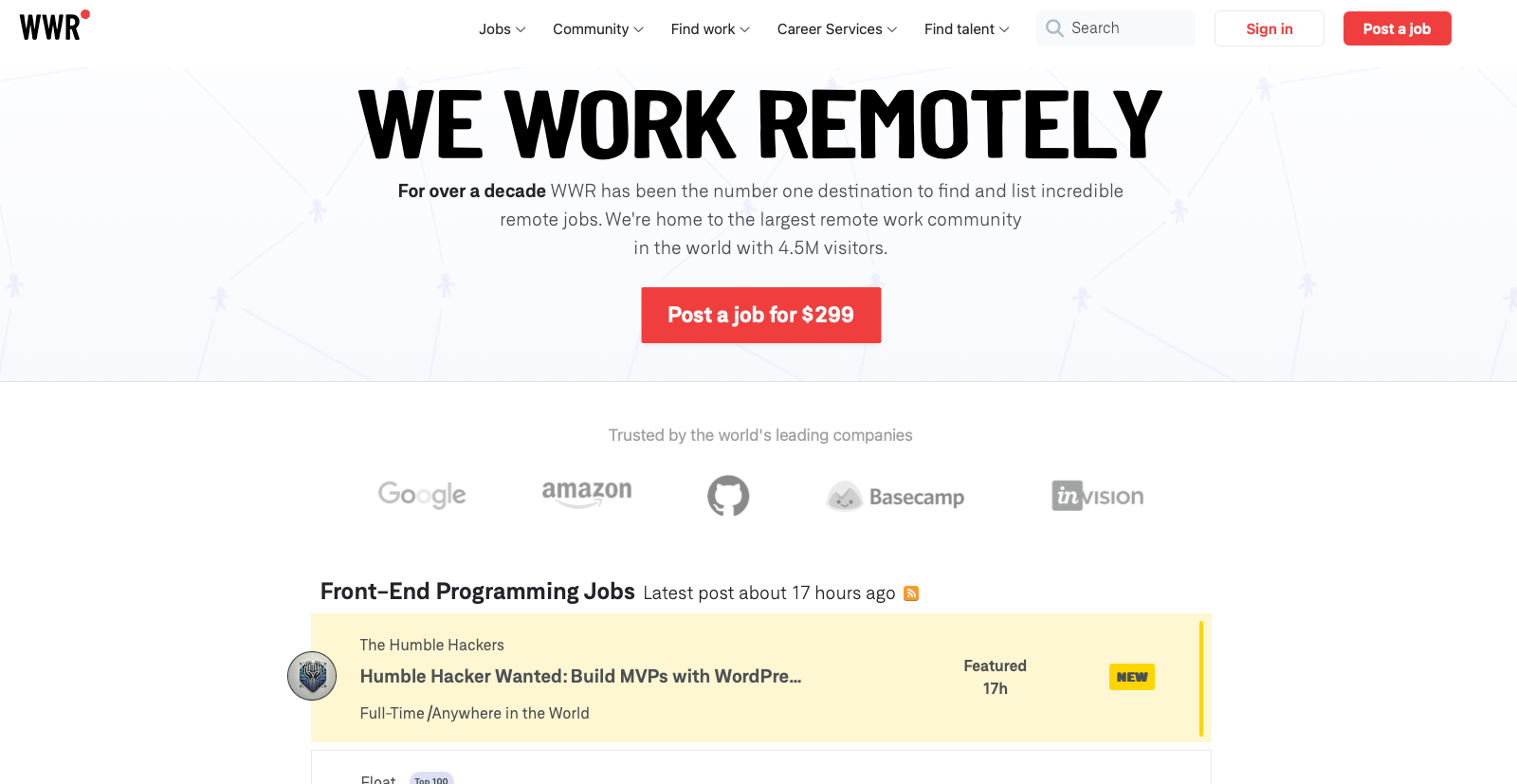
We Work Remotely focuses on remote jobs, including graphic design projects. Ideal for designers who want to work without geographical limits.
Advantages:
DesignCrowd allows designers to participate in contests or take direct jobs from clients. It is an excellent place to expand your professional network.
Advantages:
By choosing one of the platforms above, you can start or grow your graphic design freelance career. Be sure to keep your portfolio updated and deliver your best work to receive positive reviews from clients. Good luck!
As we approach 2025, typography is undergoing a significant evolution, blending timeless design elements with modern innovation. The year promises exciting new trends in fonts that will shape the future of graphic design. From classic serifs to experimental typefaces, let’s explore what’s trending in the world of fonts for 2025.
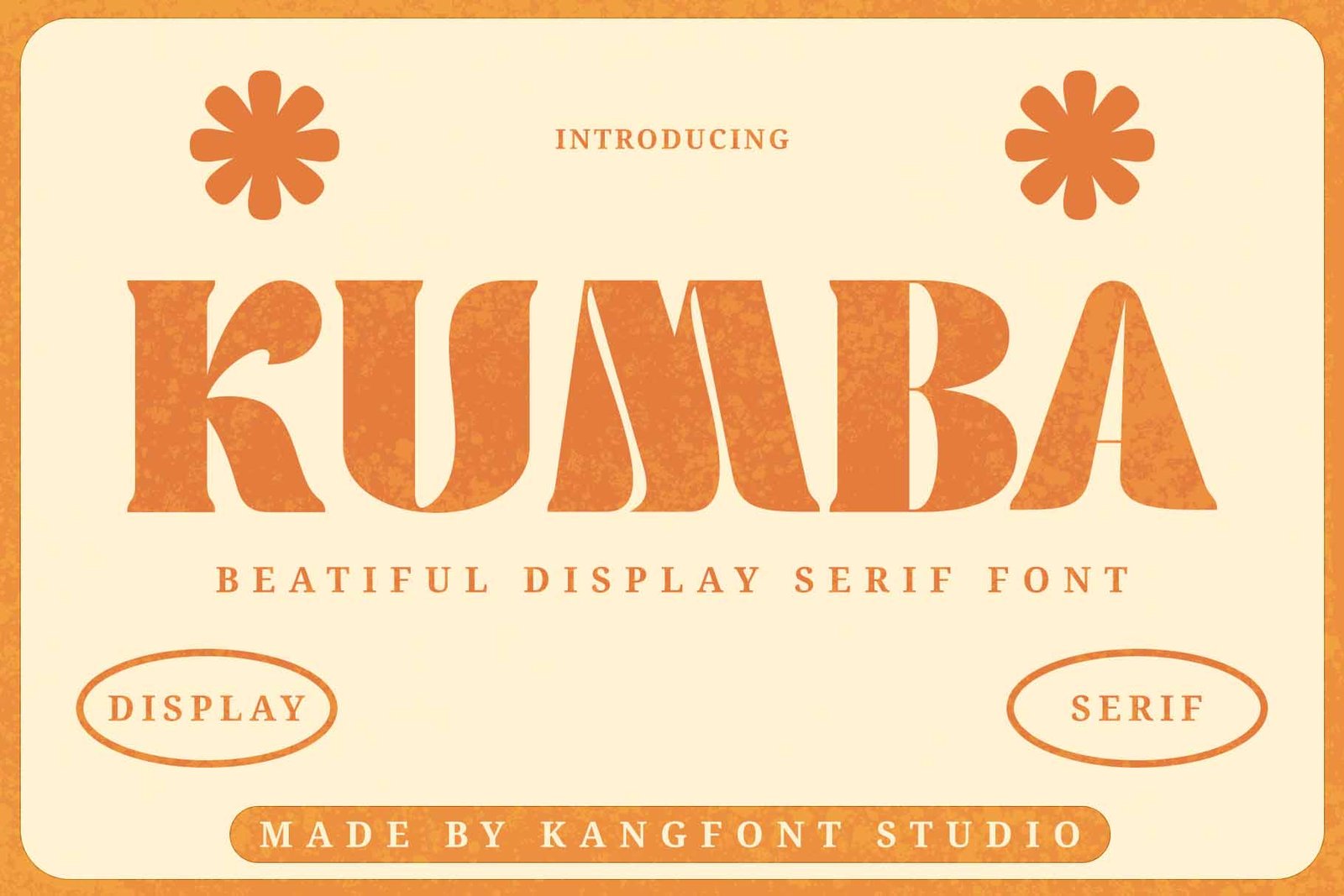
Serif fonts are making a strong comeback, offering elegance and confidence to designs. These fonts add a sense of heritage and credibility, making them perfect for brands looking to emphasize their legacy. Little Rock Printinghighlights the timeless appeal of these fonts, particularly for luxury and professional brands.
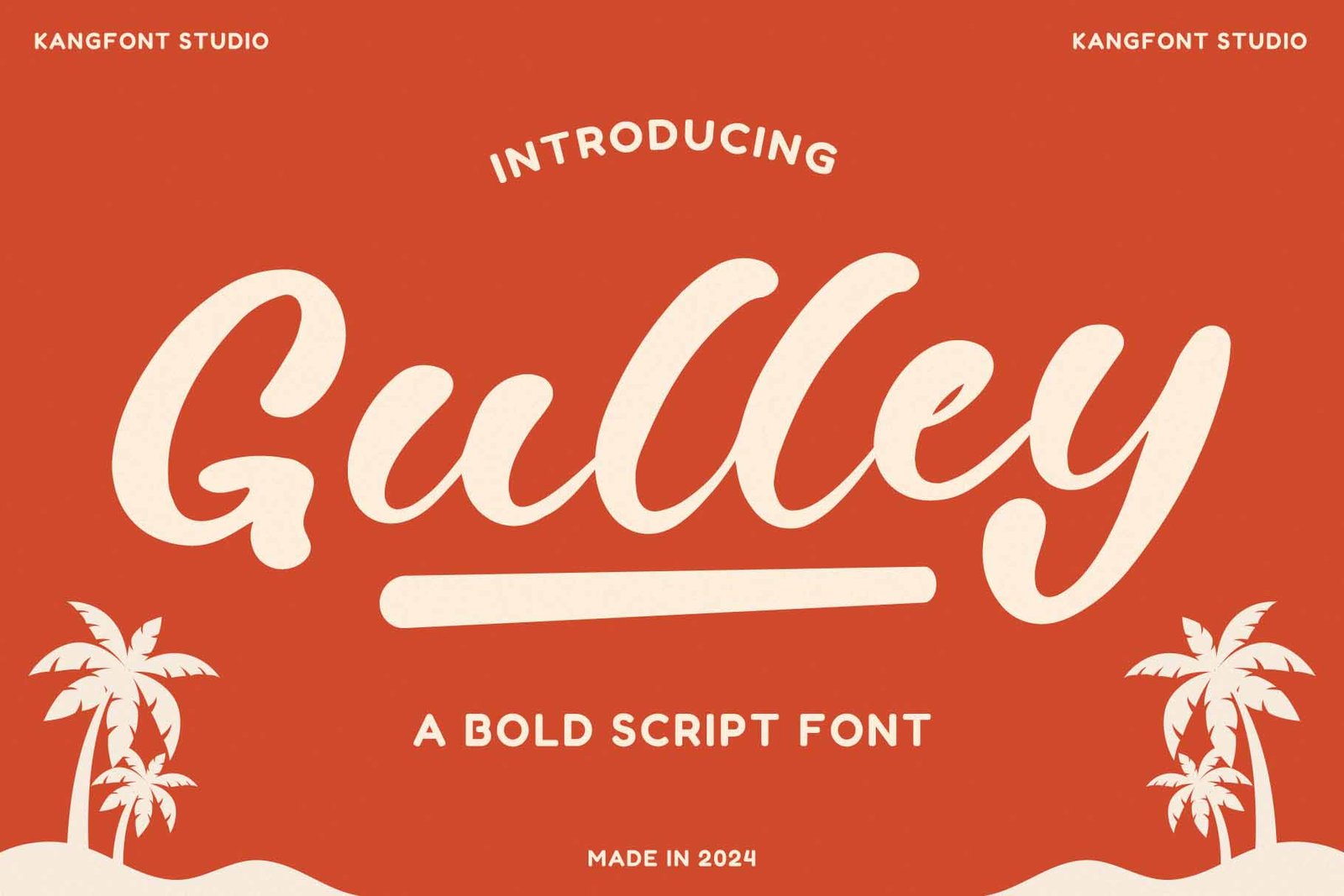
Variable fonts are taking center stage in 2025. These fonts allow designers to adjust weight, width, and style within a single font file. This flexibility simplifies the design process, especially for responsive websites, and ensures consistency across different platforms. Wix discusses how these fonts enhance creativity while maintaining scalability.
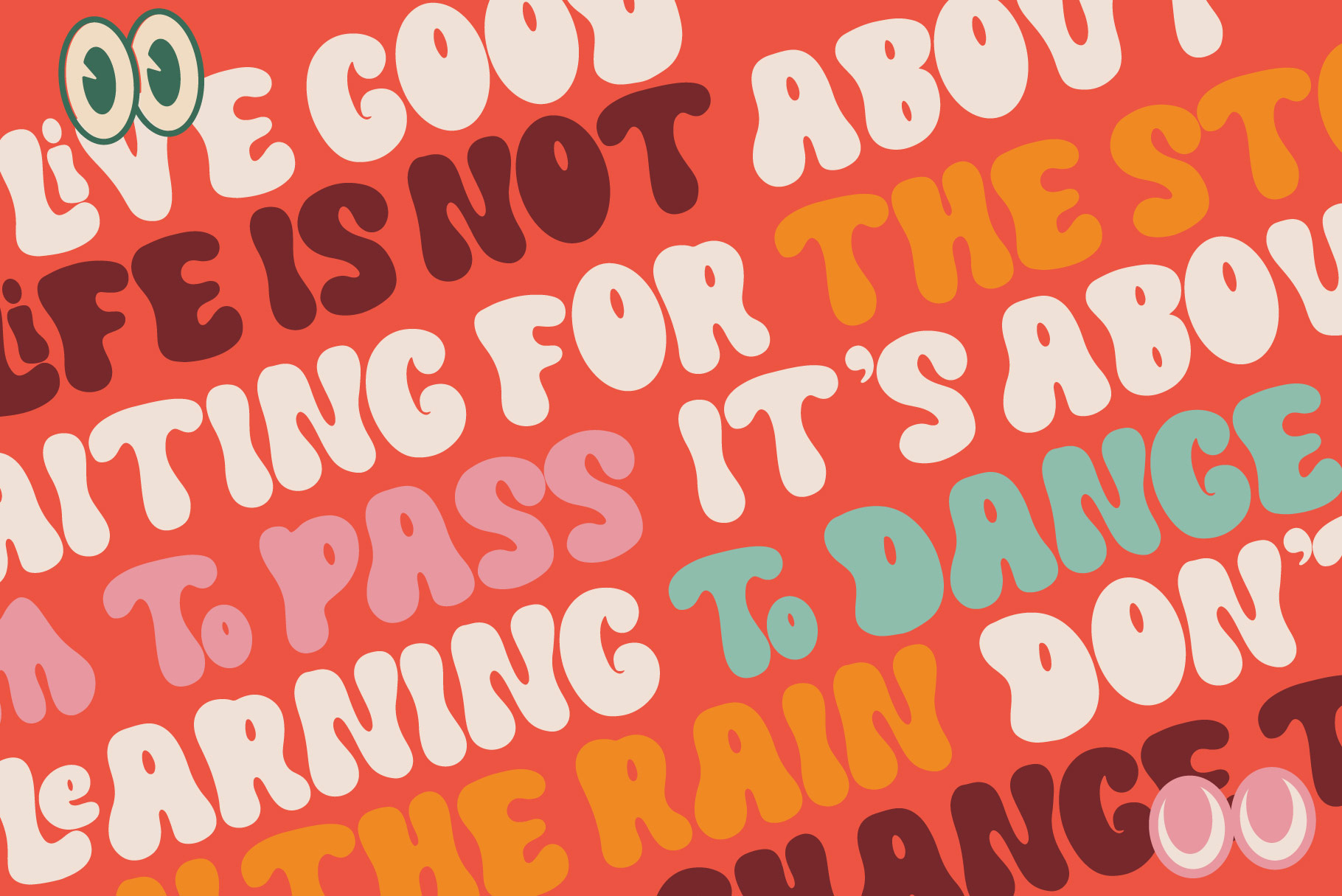
Designers are pushing the boundaries with bold and unconventional typography. Expect to see experimental fonts that challenge traditional design norms, creating visually striking and unique lettering. This trend allows creative professionals to express individuality and build memorable identities for their brands. Lummi explores how this trend is revolutionizing the design world.
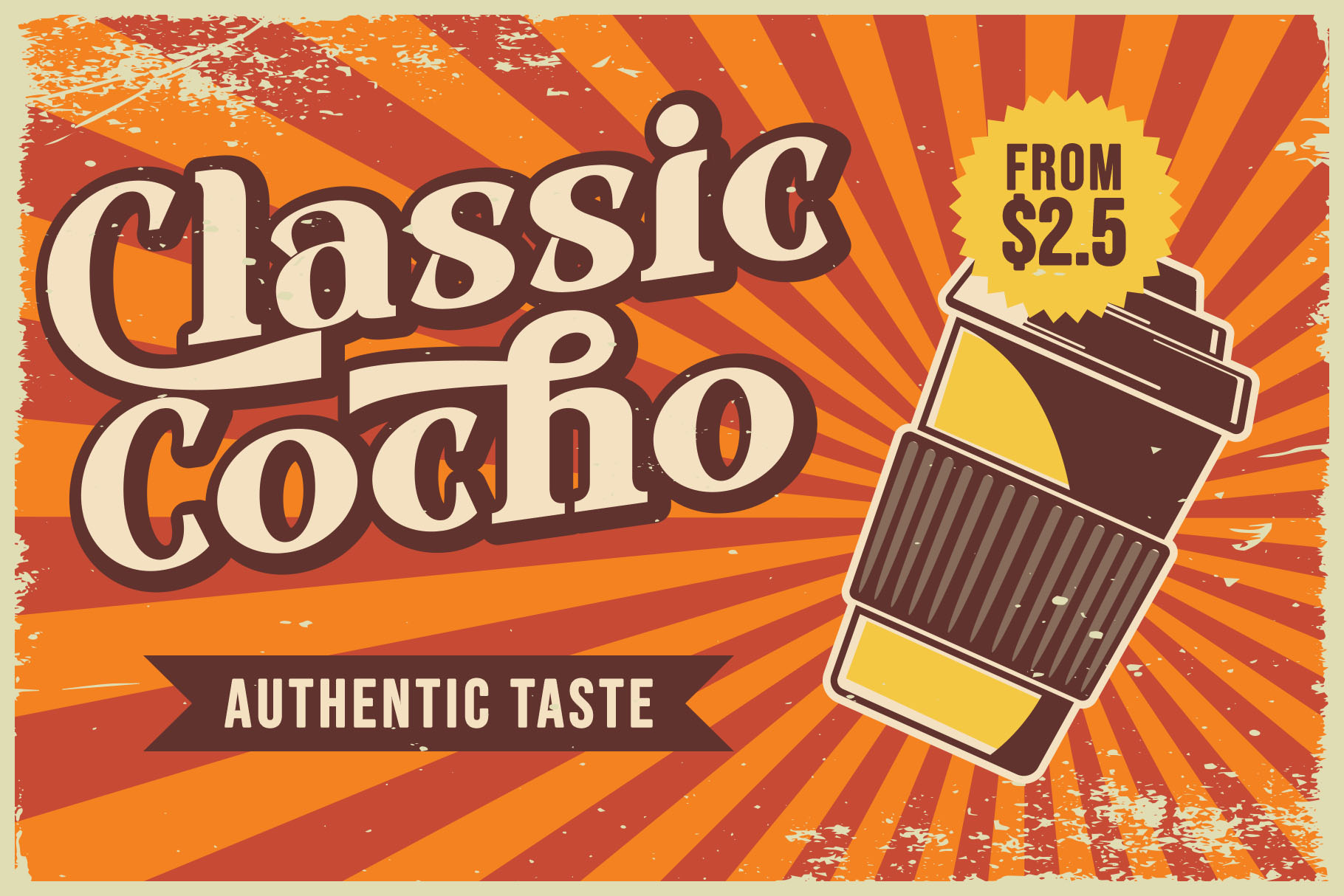
Nostalgia plays a big role in design, and retro fonts from the 70s to early 2000s are back in style. These fonts provide a modern twist on old-school aesthetics, giving designs a playful yet sophisticated feel. This trend is perfect for brands aiming for a blend of fun and vintage charm. Lummi dives deeper into the resurgence of retro typefaces.
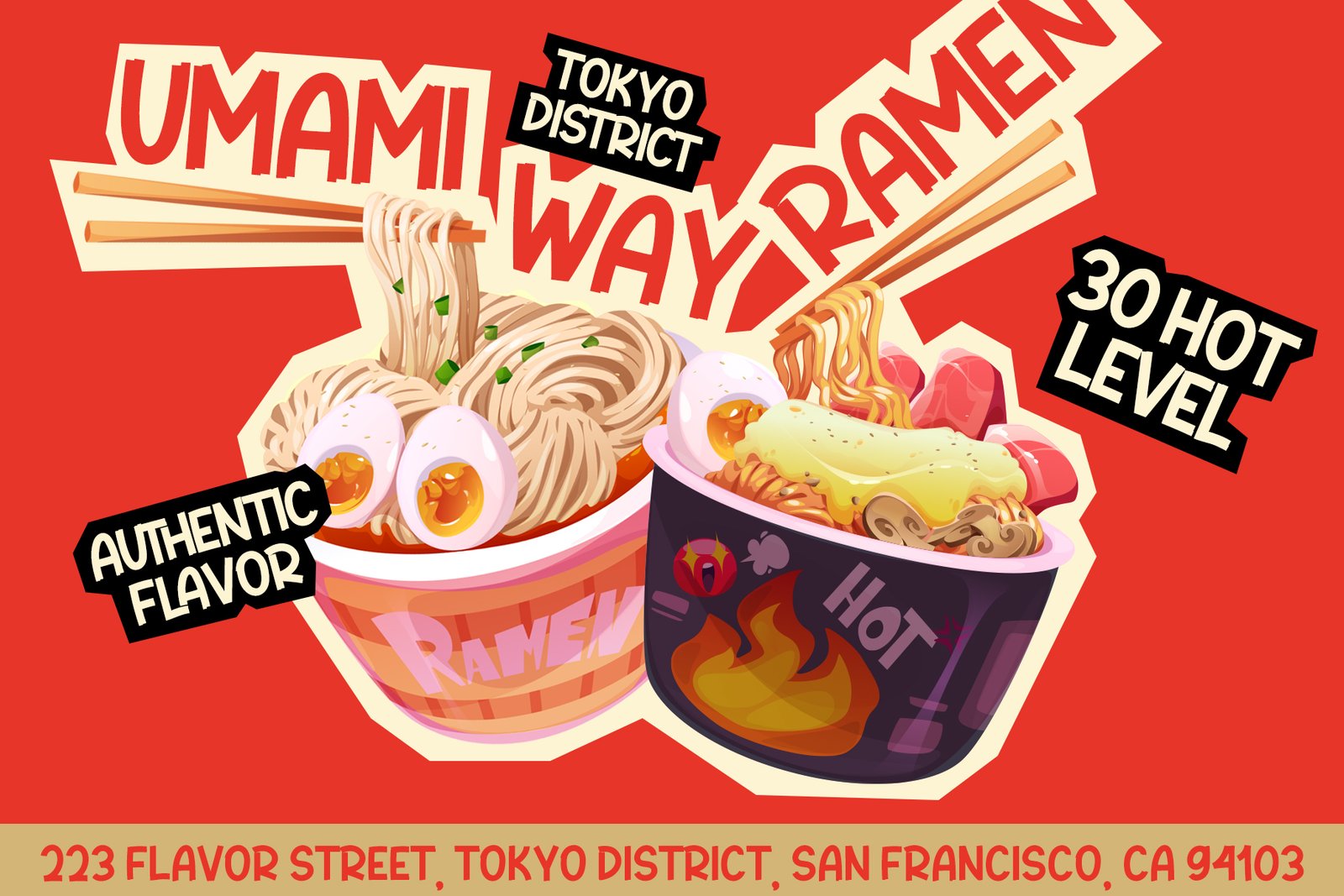
Fonts that incorporate cultural and traditional elements are gaining popularity. These typefaces celebrate heritage, adding depth and authenticity to designs. From tribal to artistic influences, culture-inspired fonts provide a rich narrative for brands looking to tell a unique story. Lummi highlights how these fonts can give a brand a distinctive cultural voice.

In 2025, expect to see more fonts that defy conventional design standards. Anti-design and deconstructed fonts break away from perfection, embracing lo-fi aesthetics and irregular shapes. These fonts reflect a desire for authenticity and individuality, appealing to brands that value non-conformity. Linearity discusses how these fonts are capturing attention in creative industries.

The fusion of classic typography with modern twists is a major trend for 2025. Designers are blending timeless fonts with contemporary elements, creating a fresh, balanced look. This approach keeps designs relevant while maintaining the integrity of traditional typefaces. We and the Color features some of the best examples of this hybrid style.
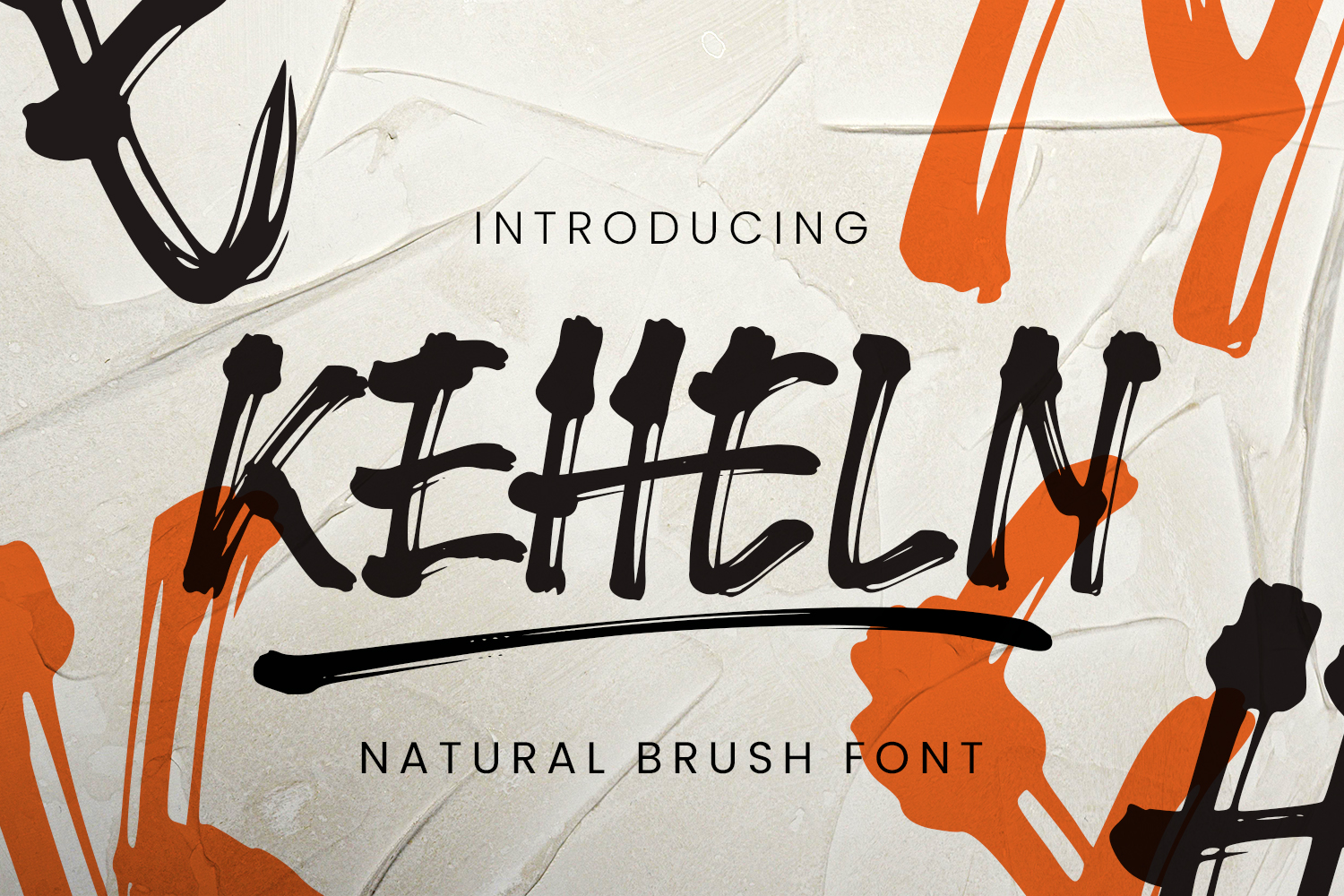
Handwritten fonts are making a significant impact, providing a personal, warm touch to designs. These organic typefaces offer a humanistic feel, perfect for brands that want to connect with their audience on a more emotional level. Lummi emphasizes the growing popularity of these fonts in branding.
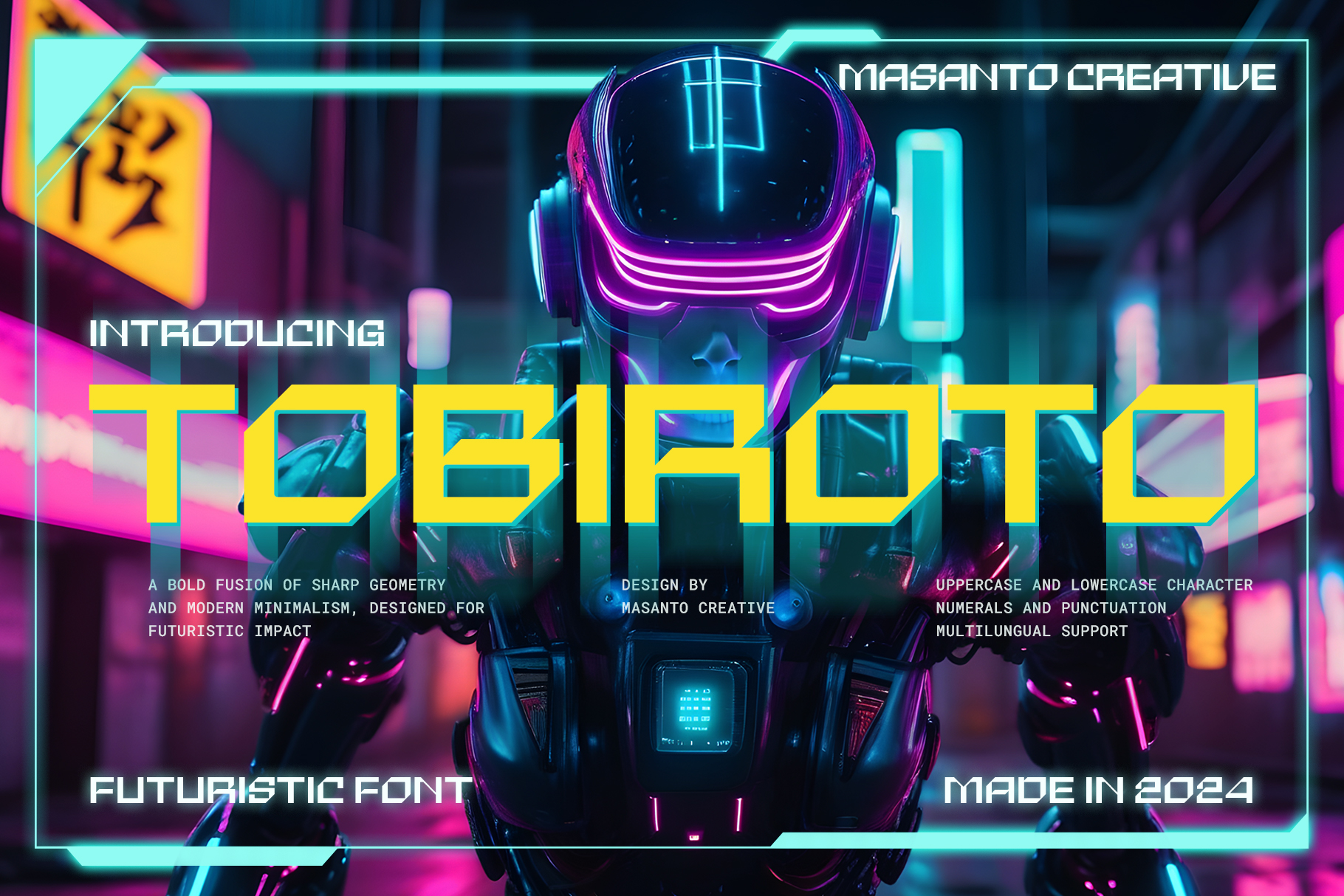
Ultra-thin sans-serif fonts are trending in 2025, known for their minimalist elegance. These fonts create a sleek, refined look, often used for high-end designs or projects that require a modern and sophisticated touch. Universitype explores how ultra-thin fonts are influencing the design industry.
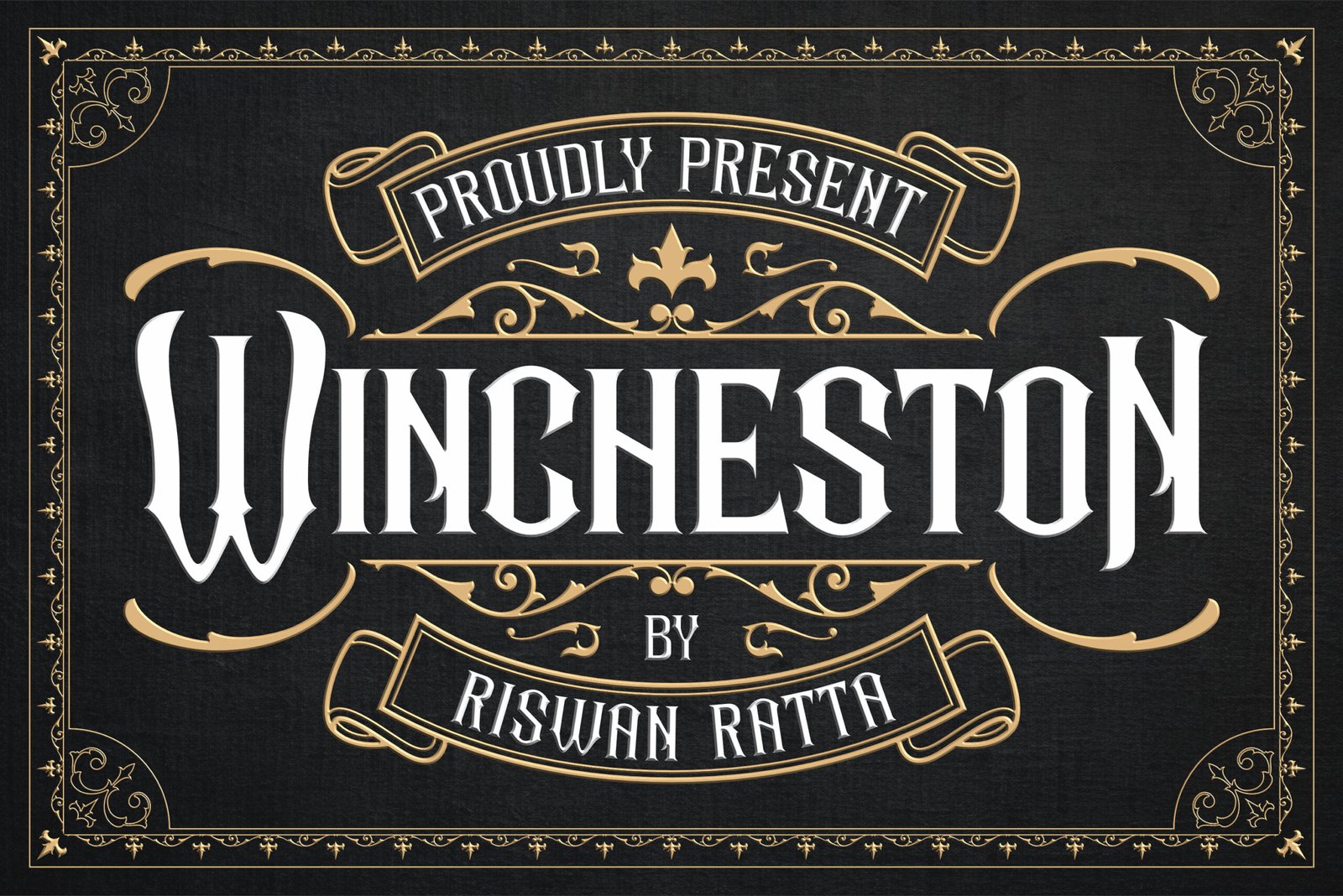
Bold, distinctive fonts are becoming a hallmark of brand identity in 2025. These fonts feature strong, commanding shapes that make an impact. Ideal for logos and marketing materials, these typefaces help brands stand out in a crowded marketplace. Universitype discusses how fonts with strong character are shaping modern design trends.
The font trends for 2025 are a perfect blend of nostalgia, innovation, and individuality. From classic serifs making a comeback to experimental and deconstructed fonts, the world of typography is more dynamic than ever. By staying ahead of these trends, designers can create compelling, relevant, and timeless designs that resonate with modern audiences.
The creative industry has emerged as a significant contributor to global economic growth, including in Indonesia. With technological advancements and digitalization, this sector creates new opportunities in fields like design, arts, fashion, and app development.
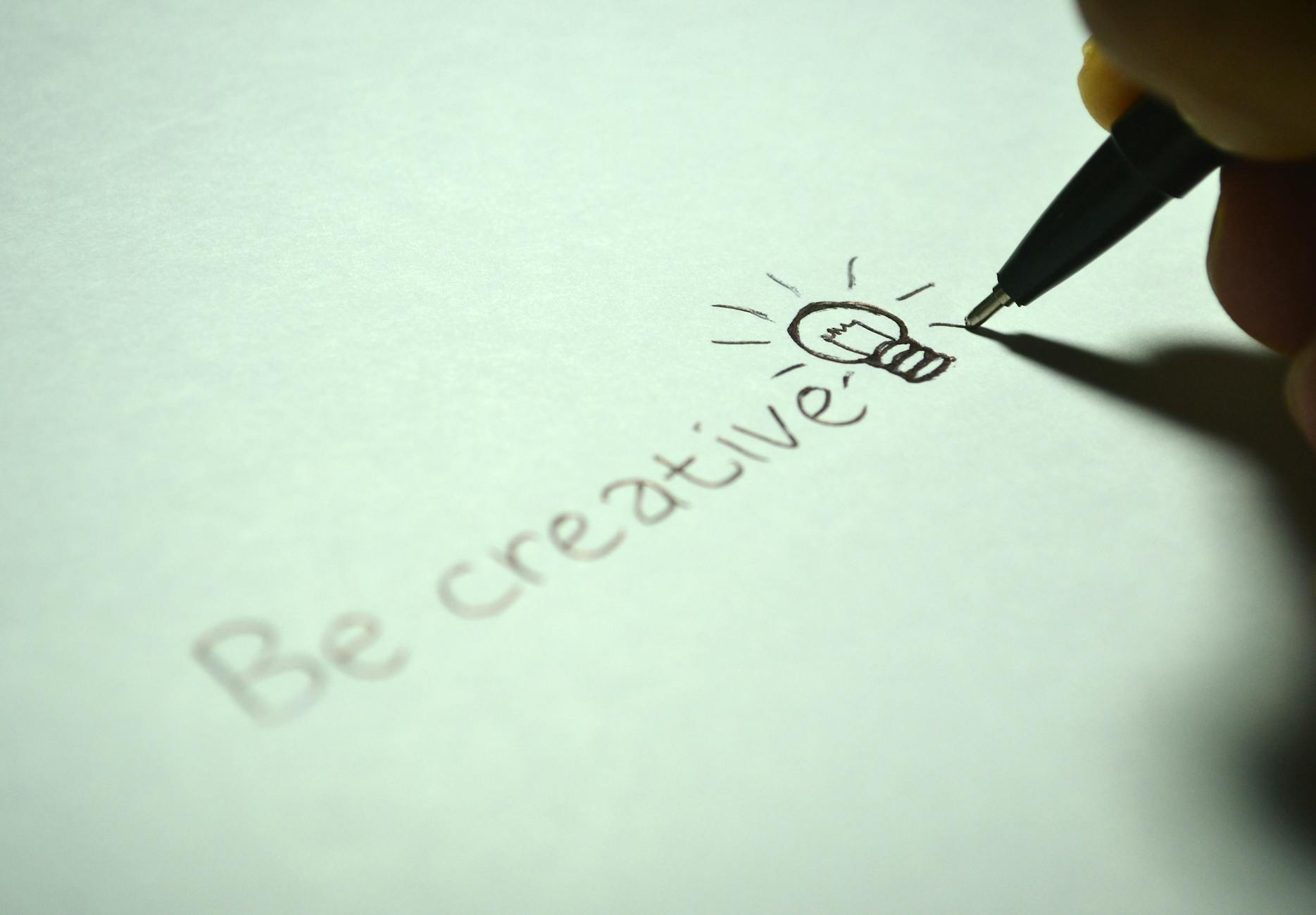
The creative industry encompasses all activities that rely on creativity, skills, and individual talent to generate economic value. In Indonesia, key sub-sectors of the creative industry include:

To develop your business in this sector, consider exploring these resources:
The creative industry is a promising pillar of the future economy. By leveraging technology and creativity, this sector can help local entrepreneurs compete globally. Enhance your online presence through effective SEO strategies and seize the available opportunities.
Font graphic design is a cornerstone of the creative world. From corporate branding to social media content, fonts play a crucial role in delivering messages, building identity, and enhancing visual appeal. In this article, we’ll explore the impact of font design on visual branding, the latest typography trends for 2024, and essential tips for selecting the perfect font.

Font graphic design is the process of creating letter styles used across various media. Fonts are more than just text—they are visual tools that influence emotions and perceptions. For example, bold and sharp fonts convey a modern, masculine vibe, while handwritten fonts evoke personal and creative aesthetics.

Stay ahead of the curve by incorporating these typography trends into your designs:
What are the best font styles for modern branding?
Modern sans-serif fonts like Helvetica Neue or Roboto are excellent choices for clean and professional branding.
How can I use variable fonts in my projects?
Variable fonts can be implemented in web design or print media to adjust weight and width dynamically, offering flexibility and reducing the need for multiple font files.
Font graphic design blends aesthetics with functionality, making it an indispensable tool for any creative project. By understanding typography fundamentals, staying updated with trends, and applying fonts strategically, you can create captivating and effective designs. With the right font, your message will stand out, and your visuals will leave a lasting impression.
Ready to transform your designs?
Choosing the right font can significantly impact brand identity and the first impression it makes on an audience. Here are some essential tips for selecting and designing the perfect font for your branding.
Creating a memorable logo is essential to establishing a strong brand identity. A well-chosen font can make all the difference, conveying personality, professionalism, and visual appeal. In this guide, we’ll explore the best font inspirations for professional logo design, along with expert tips to help you select the ideal font for your brand’s unique character.
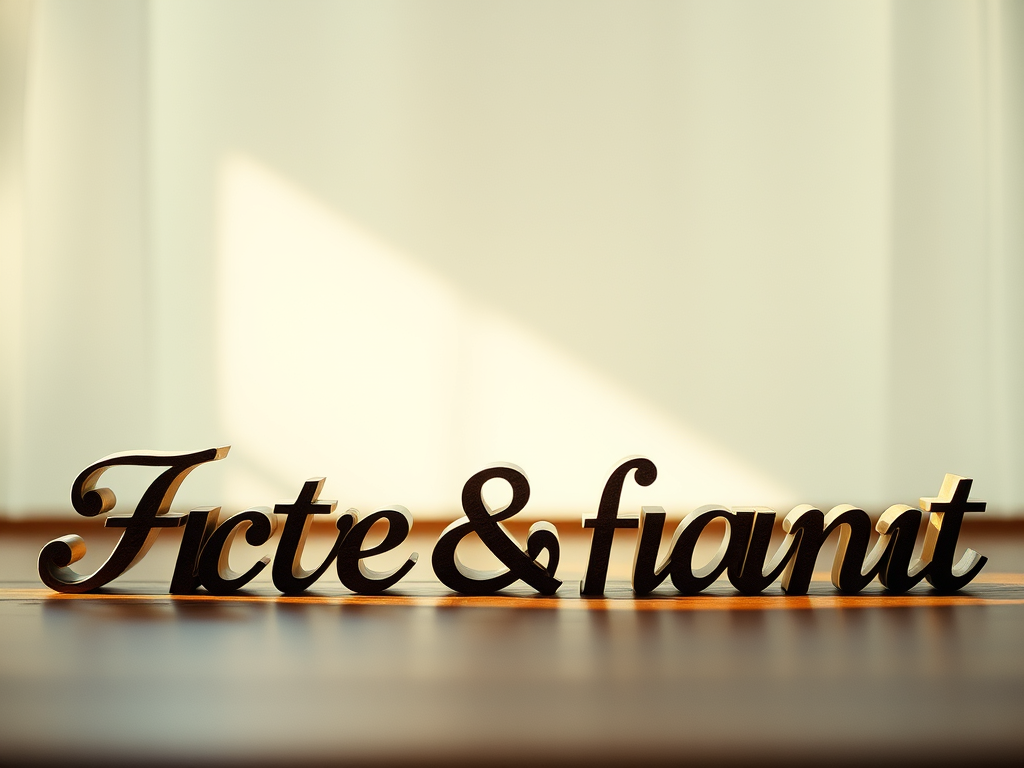
Serif fonts, like Times New Roman and Garamond, are known for their timeless, elegant look. With small lines or “serifs” at the end of each letter stroke, they evoke a sense of tradition, trustworthiness, and sophistication—qualities ideal for established brands.
Usage Examples:
Serif fonts work especially well for logos in the legal, financial, and publishing industries, where professionalism and reliability are key.
Top Serif Fonts for Logo Design:
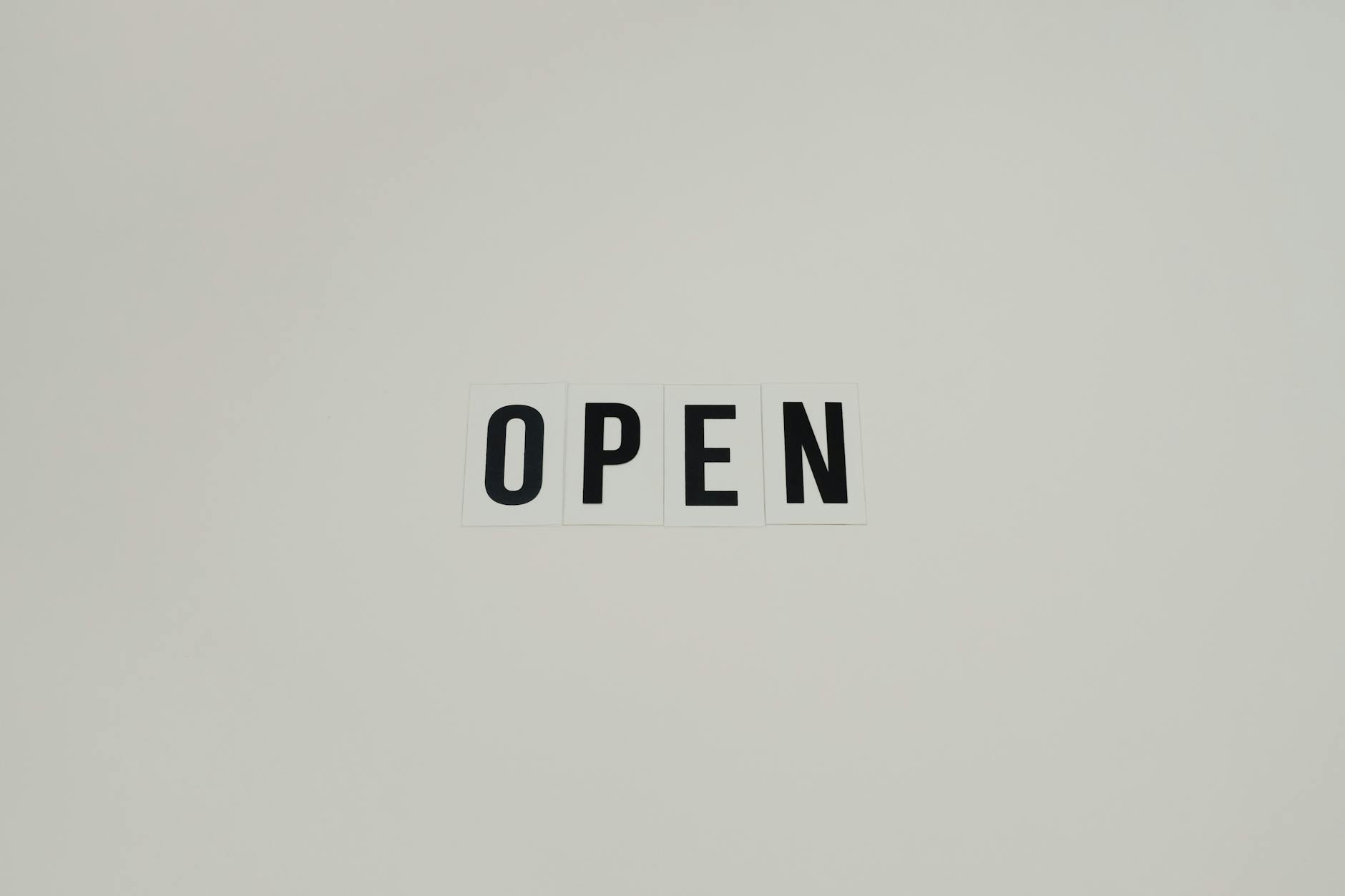
Sans serif fonts, such as Helvetica and Arial, offer a clean and minimalist look that exudes modernity and clarity. With no extra lines at the end of each letter, sans serif fonts are straightforward and versatile, ideal for tech-driven and contemporary brands.
Usage Examples:
Many tech companies, startups, and creative agencies use sans serif fonts to project a modern, innovative brand image.
Top Sans Serif Fonts for Logo Design:
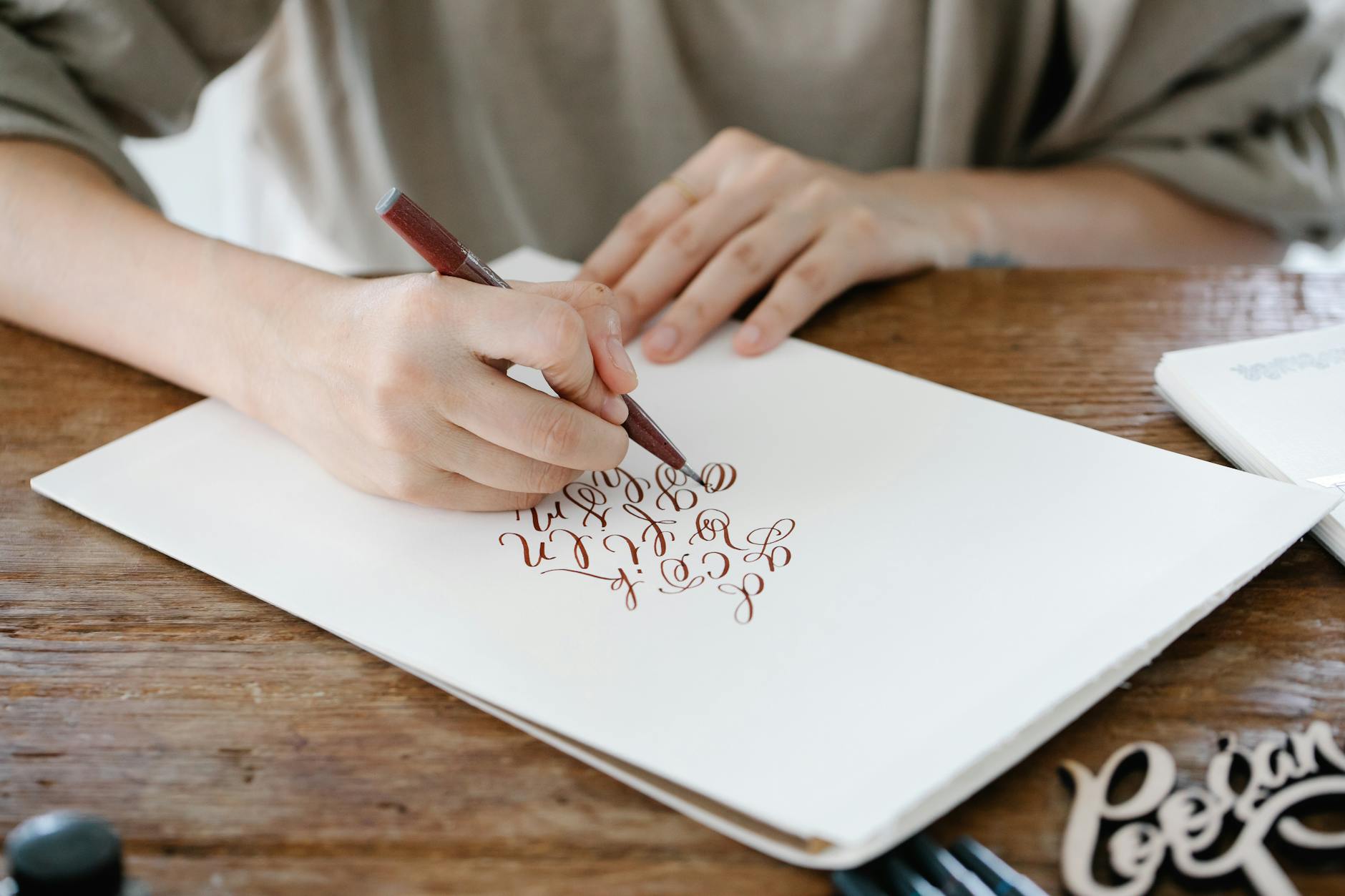
Script fonts mimic handwriting and can bring a warm, creative touch to a logo. Often flowing and graceful, script fonts are great for businesses that focus on personalization, such as handmade crafts, beauty, and boutique brands.
Usage Examples:
These fonts work wonderfully for beauty brands, artisanal businesses, and industries that value individuality and artistry.
Top Script Fonts for Logo Design:
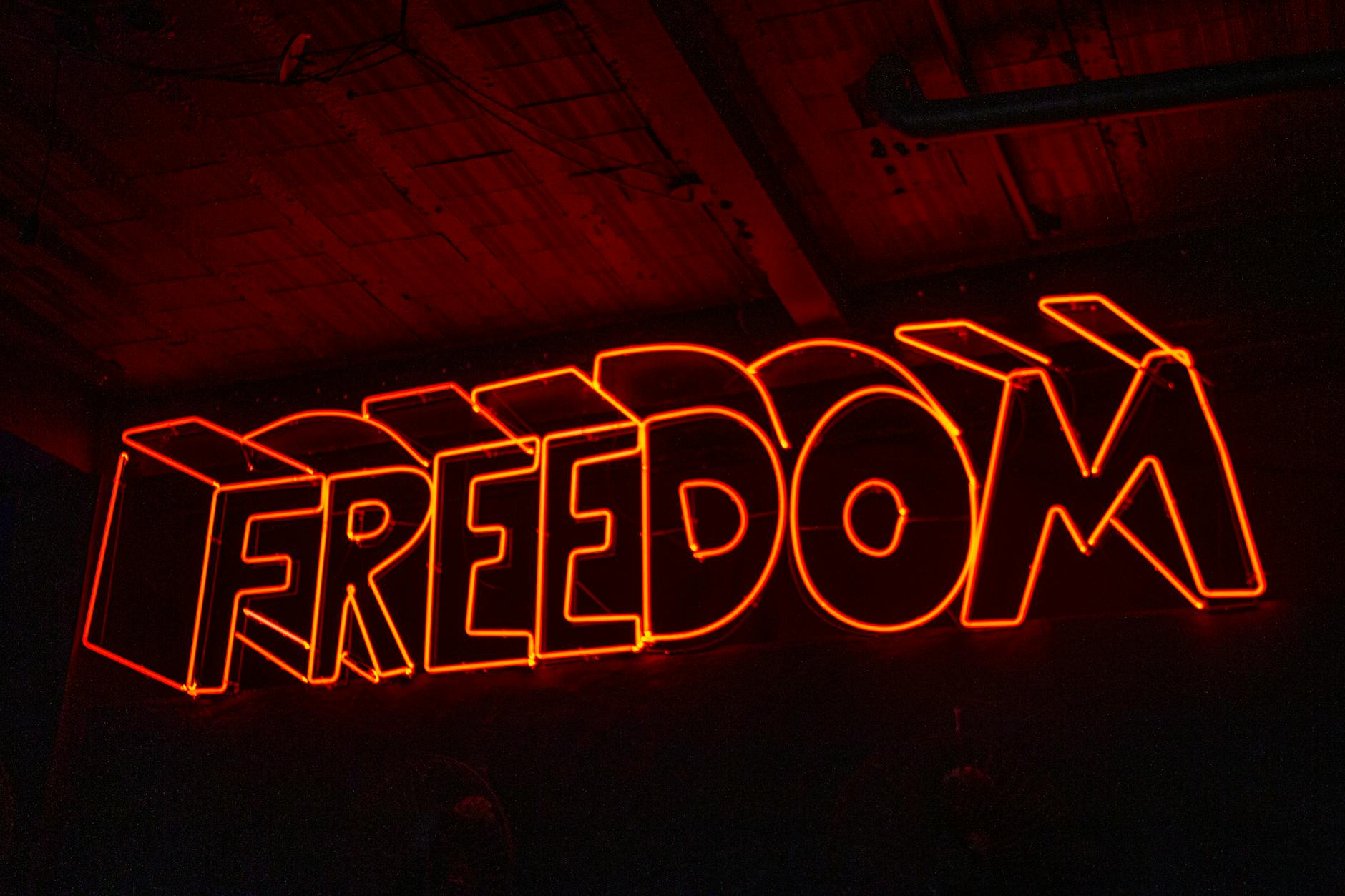
Display fonts are distinctive and often more expressive than traditional fonts, making them ideal for logos that need to stand out and make a statement. These fonts are best used in logos that want to attract immediate attention with memorable visuals.
Usage Examples:
Display fonts suit brands that are adventurous and non-conventional, such as entertainment, food & beverage, and design studios.
Top Display Fonts for Logo Design:
Choosing the right font is a vital step in crafting a logo that is both professional and memorable. From classic serifs to bold display fonts, each font style brings a unique quality to your design. By selecting a font that mirrors your brand’s values, you can create a powerful, visually appealing logo that strengthens your brand identity and draws in your audience.
Rekomendasi Font untuk Pemula: Pilih Font yang Tepat untuk Desain Anda
Memilih font yang tepat adalah langkah awal yang penting dalam dunia desain, terutama bagi pemula yang baru mulai berkecimpung dalam bidang ini. Dengan pilihan font yang tepat, desain bisa terlihat lebih profesional dan menarik perhatian. Artikel ini akan membahas beberapa rekomendasi font terbaik untuk pemula, serta tips dalam memilih font yang sesuai dengan kebutuhan Anda. Pastikan untuk menemukan koleksi font menarik lainnya di kangfont.com.
Font sans-serif seringkali menjadi pilihan pertama bagi pemula karena tampilannya yang simpel dan mudah dibaca. Beberapa font sans-serif populer adalah Arial, Helvetica, dan Open Sans. Font-font ini ideal untuk berbagai proyek, mulai dari website, presentasi, hingga media sosial. Jika Anda mencari font sans-serif berkualitas, kunjungi kangfont.com untuk melihat koleksi lengkapnya klik disini.
Keunggulan:
Bagi Anda yang ingin menampilkan kesan klasik dan profesional, font serif seperti Times New Roman, Georgia, dan Merriweather bisa menjadi pilihan. Font serif memiliki karakteristik “ekor” kecil pada huruf yang memberikan kesan elegan dan rapi. Jika ingin mengeksplorasi font serif lainnya, lihat pilihan font serif di kangfont.com klik disini.
Keunggulan:
Font script memberikan sentuhan artistik yang sangat cocok untuk desain dengan tema kreatif atau personal. Beberapa font script yang mudah digunakan adalah Pacifico, Great Vibes, dan Lobster. Namun, pastikan tidak menggunakan font ini dalam jumlah yang terlalu banyak agar tetap terbaca. Jika tertarik, Anda bisa menemukan koleksi font script eksklusif di kangfont.com klik disini.
Keunggulan:
Font monospace seperti Courier New, Consolas, dan Source Code Pro adalah pilihan yang tepat untuk tampilan minimalis dan berteknologi. Font jenis ini biasanya digunakan dalam konteks kode pemrograman atau desain berkonsep teknologi. Cari lebih banyak font monospace di kangfont.com klik disini.
Keunggulan:
Semoga rekomendasi font di atas membantu Anda memilih font yang tepat untuk kebutuhan desain Anda. Jangan lupa kunjungi kangfont.com untuk mendapatkan koleksi font terbaik yang dapat Anda gunakan dalam berbagai proyek desain!